
Overview
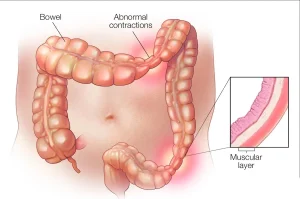
Irritable bowel syndrome is a common chronic disorder that affects the large intestine and disrupts normal bowel function. It is considered a functional gastrointestinal condition, meaning symptoms occur without visible structural damage to the digestive tract. Irritable bowel syndrome is characterized by recurring abdominal discomfort and changes in bowel habits. While it can significantly affect quality of life, it does not cause permanent damage to the intestines or increase the risk of colorectal cancer.
Symptoms
Symptoms vary in type and severity and may come and go over time. Common symptoms include:
-
Abdominal pain or cramping, often relieved after bowel movements
-
Bloating and gas
-
Diarrhea, constipation, or alternating episodes of both
-
Mucus in the stool
-
Feeling of incomplete bowel emptying
-
Urgency to have a bowel movement
-
Worsening symptoms during stress or after certain foods
Causes
The exact cause of irritable bowel syndrome is not fully understood. It is believed to result from a combination of factors affecting gut function, including:
-
Abnormal muscle contractions in the intestine
-
Increased sensitivity of the digestive nerves
-
Disrupted communication between the brain and gut
-
Changes in gut bacteria
-
Intestinal inflammation after infection
-
Food intolerances or sensitivities
Risk factors
-
Family history of irritable bowel syndrome
-
Young age, often developing before age 50
-
Female sex
-
History of gastrointestinal infections
-
Psychological stress, anxiety, or depression
Complications
Irritable bowel syndrome does not cause permanent intestinal damage, but it may lead to:
-
Reduced quality of life
-
Emotional distress, anxiety, or depression
-
Difficulty maintaining work or social activities
-
Nutritional concerns due to dietary restrictions
Prevention
Irritable bowel syndrome cannot always be prevented, but symptom flare-ups may be reduced by:
-
Identifying and avoiding trigger foods
-
Eating regular, balanced meals
-
Managing stress through relaxation techniques
-
Staying physically active
-
Getting adequate sleep
-
Seeking medical guidance for persistent or worsening symptoms
With proper lifestyle adjustments, dietary management, and medical care when needed, many individuals with irritable bowel syndrome are able to control symptoms and maintain a good quality of life.
Advertisement
