
Overview
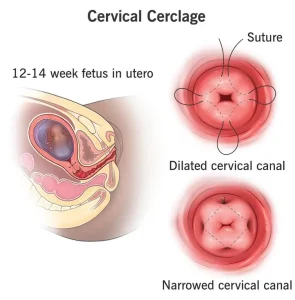
Incompetent cervix, also known as cervical insufficiency, is a condition in which the cervix weakens and opens too early during pregnancy without contractions or pain. This can lead to premature birth or pregnancy loss, usually during the second trimester. The condition often goes unnoticed until pregnancy complications occur, making early recognition and monitoring important for high-risk individuals.
Symptoms
-
Mild pelvic pressure
-
Backache that persists for several days
-
Abdominal cramping
-
Changes in vaginal discharge, such as increased volume or watery consistency
-
Light vaginal bleeding or spotting
-
Often minimal or no noticeable symptoms until cervical dilation has already begun
Causes
Incompetent cervix occurs when the cervical tissue is unable to remain closed under the weight of a growing pregnancy. Possible causes include:
-
Congenital cervical or uterine abnormalities
-
Previous cervical trauma from surgery such as cone biopsy or LEEP
-
Cervical damage from difficult or multiple deliveries
-
Exposure to diethylstilbestrol (DES) before birth in rare cases
-
Structural weakness of cervical connective tissue
Risk factors
-
History of second-trimester pregnancy loss or preterm birth
-
Previous cervical surgery or procedures
-
Multiple pregnancies (twins or more)
-
Congenital uterine or cervical abnormalities
-
Short cervical length identified on ultrasound
Complications
-
Preterm labor and premature birth
-
Miscarriage, especially in the second trimester
-
Increased risk of infection due to cervical opening
-
Emotional distress related to pregnancy loss or complications
Prevention
While incompetent cervix cannot always be prevented, certain measures may reduce risks and improve outcomes:
-
Early prenatal care with cervical length monitoring
-
Cervical cerclage (stitching the cervix closed) in high-risk pregnancies
-
Progesterone therapy when recommended
-
Avoiding activities that increase pressure on the cervix if advised by a healthcare provider
-
Regular follow-up and monitoring throughout pregnancy
With early diagnosis and appropriate management, many individuals with incompetent cervix can carry pregnancies closer to term and achieve healthier outcomes.
Advertisement
