
Overview
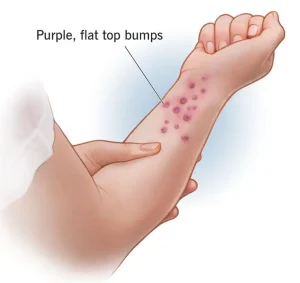
Lichen planus is an inflammatory condition that can affect the skin, mouth, nails, scalp, and genital areas. It often appears as purplish, flat-topped bumps on the skin or as white, lacy patches inside the mouth. The condition is not contagious and can affect adults of any age, though it is most common in middle-aged adults.
The exact course of lichen planus varies. Some cases resolve on their own within months, while others may persist for years or recur. Symptoms can range from mild to severe, depending on the area involved.
Symptoms
Symptoms of lichen planus differ based on the part of the body affected and may develop gradually.
Common symptoms include:
-
Purplish, flat-topped bumps on the skin that may be itchy
-
White, lacy patches or sores inside the mouth
-
Pain or burning sensation in mouth lesions
-
Rashes that commonly appear on the wrists, ankles, lower back, or legs
-
Thickened, ridged, or damaged nails in some cases
-
Scalp involvement leading to redness, irritation, and possible hair loss
-
Genital sores that may cause discomfort or pain
Itching can be intense in skin-related lichen planus, while oral forms may cause sensitivity to spicy or acidic foods.
Causes
The exact cause of lichen planus is unknown. It is believed to be an immune-related condition in which the immune system mistakenly attacks cells of the skin or mucous membranes.
Possible triggers include:
-
Certain medications, such as those used for high blood pressure, heart disease, or arthritis
-
Viral infections, especially hepatitis C
-
Allergic reactions to dental materials or metals
-
Stress or emotional factors that may worsen symptoms
In many cases, no specific trigger can be identified.
Risk factors
Several factors may increase the risk of developing lichen planus:
-
Middle age
-
Having certain viral infections, including hepatitis C
-
Use of medications known to trigger immune reactions
-
Exposure to allergens or irritants
-
Family history of autoimmune or inflammatory conditions
Both men and women can develop lichen planus, though some forms may be more common in one sex.
Complications
Lichen planus can lead to complications, especially when it affects the mouth, genitals, or scalp.
Possible complications include:
-
Persistent itching or pain affecting quality of life
-
Darkened skin patches after healing
-
Permanent nail damage
-
Scarring and permanent hair loss with scalp involvement
-
Increased risk of oral cancer in people with long-standing oral lichen planus
Regular monitoring is important, particularly for oral lesions.
Prevention
There is no guaranteed way to prevent lichen planus, but certain steps may help reduce flare-ups and complications.
Preventive measures include:
-
Avoiding medications or substances known to trigger symptoms
-
Managing stress through relaxation techniques
-
Maintaining good oral hygiene for oral lichen planus
-
Avoiding tobacco and limiting alcohol use
-
Attending regular medical or dental checkups to monitor persistent lesions
Early diagnosis and appropriate management can help control symptoms and reduce the risk of long-term complications.
Request an appointment
Advertisement
