
Overview
Lichen sclerosus is a long-term inflammatory skin condition that most commonly affects the genital and anal areas. It causes the skin to become thin, white, and fragile, which can lead to discomfort and scarring over time. Although it can occur at any age, lichen sclerosus is most often seen in postmenopausal women and, less commonly, in children and men.
The condition is not contagious and is not caused by poor hygiene. With proper treatment and regular follow-up, symptoms can usually be controlled and the risk of complications reduced.
Symptoms
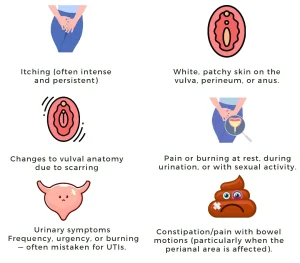
Symptoms of lichen sclerosus vary depending on severity. Some people may have mild disease with few symptoms, while others experience significant discomfort.
Common symptoms include:
-
Smooth white patches of skin, often in the genital or anal area
-
Thin, fragile skin that tears or bruises easily
-
Itching, which can be severe and persistent
-
Pain or discomfort, especially during sitting or movement
-
Burning sensation
-
Painful urination if the skin around the urethra is affected
-
Pain during sexual activity
-
Bleeding or blistering in severe cases
In children, symptoms may improve or resolve with time, while in adults the condition is usually chronic.
Causes
The exact cause of lichen sclerosus is not fully understood. It is thought to be related to an abnormal immune response in which the immune system attacks healthy skin tissue.
Possible contributing factors include:
-
Autoimmune disorders
-
Hormonal changes, especially low estrogen levels
-
Genetic predisposition
-
Previous skin damage or irritation in the affected area
In many cases, no clear cause can be identified.
Risk factors
Certain factors increase the likelihood of developing lichen sclerosus:
-
Postmenopausal status
-
Female sex
-
Personal or family history of autoimmune diseases
-
Hormonal imbalance
-
Having had previous genital skin injury or irritation
Men and children can also develop lichen sclerosus, although it is less common.
Complications
If left untreated, lichen sclerosus can lead to long-term complications.
Possible complications include:
-
Permanent scarring and changes in genital anatomy
-
Narrowing of the vaginal opening or foreskin
-
Chronic pain and discomfort
-
Sexual dysfunction
-
Increased risk of genital skin cancer, particularly squamous cell carcinoma
Regular medical follow-up is important to monitor for these complications.
Prevention
There is no proven way to prevent lichen sclerosus, but proper care can help reduce symptoms and prevent progression.
Helpful preventive measures include:
-
Using prescribed treatments as directed
-
Avoiding irritants such as scented soaps or tight clothing
-
Keeping the affected area clean and dry
-
Managing associated autoimmune conditions
-
Attending regular follow-up appointments to monitor skin changes
Early diagnosis and ongoing management are key to controlling lichen sclerosus and maintaining skin health.
Advertisement
