
Overview
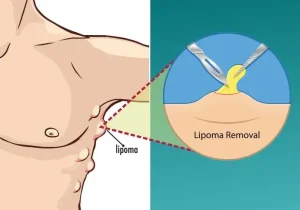
A lipoma is a slow-growing, noncancerous lump of fatty tissue that usually develops just beneath the skin. Lipomas are soft to the touch, move easily when pressed, and are generally painless. They can appear anywhere on the body but are most common on the neck, shoulders, back, arms, thighs, and abdomen.
Lipomas are usually harmless and do not require treatment unless they cause discomfort, restrict movement, or grow rapidly. Many people live with lipomas for years without complications.
Symptoms
Lipomas often cause few or no symptoms and are usually noticed because of their appearance or feel.
Common symptoms include:
-
A soft, doughy lump under the skin
-
A lump that moves easily when pressed
-
Slow growth over months or years
-
Size usually small, but can grow larger in some cases
-
Typically painless, though pain can occur if nerves are pressed
Lipomas that grow deeper or in unusual locations may cause discomfort or functional problems.
Causes
The exact cause of lipomas is not clearly understood. They develop when fat cells multiply and form a localized mass.
Possible contributing factors include:
-
Genetic influences
-
Abnormal growth of fat cells
-
Minor injuries that may trigger growth in some cases
Most lipomas occur without any identifiable cause.
Risk factors
Certain factors may increase the likelihood of developing lipomas:
-
Middle age, most commonly between 40 and 60 years
-
Family history of lipomas
-
Certain inherited conditions, such as familial multiple lipomatosis
-
Male sex, although lipomas affect all genders
Having one lipoma increases the chance of developing additional ones.
Complications
Lipomas rarely cause serious problems, but complications can occur in some cases.
Possible complications include:
-
Pain or discomfort if the lipoma presses on nearby nerves
-
Restricted movement if located near a joint
-
Cosmetic concerns, especially with large or visible lipomas
-
Rare misdiagnosis of a cancerous tumor, such as liposarcoma
Medical evaluation is important if a lump grows rapidly, becomes painful, or feels firm.
Prevention
There is no proven way to prevent lipomas, as their exact cause is unknown.
General health measures include:
-
Maintaining a healthy lifestyle
-
Monitoring existing lumps for changes in size or pain
-
Seeking medical evaluation for new or unusual growths
-
Attending regular health checkups
Early assessment helps ensure accurate diagnosis and peace of mind, even though lipomas themselves are usually benign.
Advertisement
