
Overview
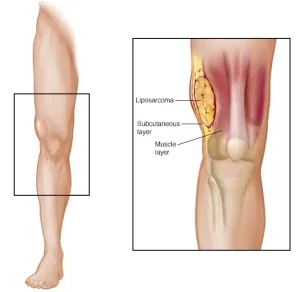
Liposarcoma is a rare type of cancer that develops in fat cells deep within the body. Unlike a lipoma, which is benign, liposarcoma is malignant and can grow aggressively. It most often occurs in the abdomen, thighs, buttocks, or behind the knee, but it can develop in almost any area where fat tissue is present.
Liposarcoma tends to grow slowly at first and may not cause symptoms until it becomes large. Early diagnosis and appropriate treatment are important to prevent spread and improve outcomes.
Symptoms
Symptoms of liposarcoma depend on the tumor’s size and location. In the early stages, it may not cause noticeable symptoms.
Common symptoms include:
-
A firm or growing lump under the skin or deep in the body
-
Pain or tenderness near the tumor
-
Swelling in the affected area
-
Feeling of fullness or pressure, especially with abdominal tumors
-
Changes in bowel or bladder habits if the tumor presses on nearby organs
-
Weakness or numbness if nerves are compressed
Any mass that grows rapidly or becomes painful should be evaluated by a healthcare professional.
Causes
The exact cause of liposarcoma is not known. It occurs when fat cells develop abnormal genetic changes that cause them to grow and divide uncontrollably.
Possible contributing factors include:
-
Genetic mutations acquired over time
-
Previous radiation therapy to the affected area
-
Certain inherited genetic syndromes in rare cases
Most cases develop without any clear triggering factor.
Risk factors
Several factors may increase the risk of developing liposarcoma:
-
Older age, most commonly between 50 and 65 years
-
History of radiation exposure
-
Male sex
-
Certain genetic conditions that affect cell growth
Liposarcoma is rare and occurs far less frequently than benign fatty tumors.
Complications
Liposarcoma can lead to serious complications if not treated promptly.
Possible complications include:
-
Local invasion of surrounding tissues and organs
-
Recurrence after treatment
-
Spread of cancer to other parts of the body
-
Pain and functional impairment
-
Life-threatening complications if vital organs are affected
Long-term follow-up is often required due to the risk of recurrence.
Prevention
There is no proven way to prevent liposarcoma, as its causes are not well understood.
General recommendations include:
-
Monitoring any deep or enlarging lumps
-
Seeking prompt medical evaluation for unexplained masses
-
Attending regular follow-up appointments if previously treated
-
Avoiding unnecessary radiation exposure when possible
Early detection and specialist care play a key role in managing liposarcoma and improving long-term outcomes.
Advertisement
