
Overview
Listeria infection, also known as listeriosis, is a serious foodborne illness caused by the bacterium Listeria monocytogenes. It most commonly spreads through contaminated food, such as unpasteurized dairy products, ready-to-eat meats, and improperly washed raw vegetables. While many healthy people may experience mild symptoms or none at all, listeria infection can be severe and life-threatening for certain groups.
Pregnant women, newborns, older adults, and people with weakened immune systems are at highest risk of severe illness. In these individuals, listeriosis can lead to bloodstream infection, meningitis, or pregnancy-related complications.
Symptoms
Symptoms of listeria infection vary depending on the person affected and whether the infection spreads beyond the digestive system. Symptoms may appear a few days to several weeks after consuming contaminated food.
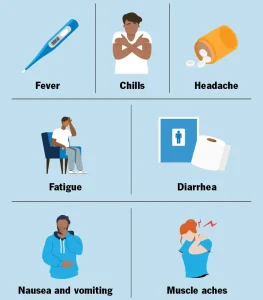
Common symptoms include:
-
Fever
-
Muscle aches
-
Fatigue
-
Nausea or vomiting
-
Diarrhea
If the infection spreads to the nervous system, symptoms may include:
-
Headache
-
Stiff neck
-
Confusion or changes in alertness
-
Loss of balance
-
Seizures
Pregnant women may experience only mild flu-like symptoms, but the infection can cause serious complications for the unborn baby.
Causes
Listeria infection is caused by consuming food contaminated with Listeria monocytogenes. The bacteria can survive and multiply in cold temperatures, including in refrigerators.
Common sources of infection include:
-
Unpasteurized milk and dairy products
-
Soft cheeses made with unpasteurized milk
-
Ready-to-eat deli meats and hot dogs
-
Refrigerated smoked seafood
-
Raw sprouts
-
Improperly washed fruits and vegetables
The bacteria can also spread from mother to baby during pregnancy.
Risk factors
Certain groups are more likely to develop severe listeria infection:
-
Pregnant women
-
Newborns
-
Adults aged 65 and older
-
People with weakened immune systems due to illness or medications
-
Individuals with chronic conditions such as diabetes, kidney disease, or cancer
Healthy adults and children can still become infected, but symptoms are usually mild.
Complications
Listeria infection can lead to serious and sometimes fatal complications, especially in high-risk groups.
Possible complications include:
-
Bloodstream infection
-
Meningitis or brain infection
-
Miscarriage or stillbirth
-
Premature delivery
-
Severe infection in newborns
-
Long-term neurological damage
Prompt medical treatment reduces the risk of severe outcomes.
Prevention
Many cases of listeria infection can be prevented through safe food-handling practices.
Preventive measures include:
-
Avoiding unpasteurized milk and dairy products
-
Heating deli meats and hot dogs until steaming hot
-
Washing raw fruits and vegetables thoroughly
-
Keeping raw and cooked foods separate
-
Cleaning kitchen surfaces and utensils regularly
-
Refrigerating foods promptly and maintaining proper refrigerator temperatures
-
Following food safety guidelines, especially during pregnancy
Being mindful of food choices and hygiene is especially important for people at higher risk of listeria infection.
Advertisement
