
Overview
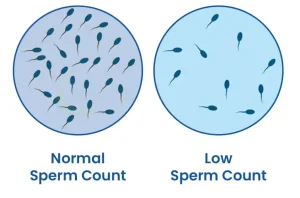
Low sperm count, also known as oligospermia, is a condition in which a man has fewer sperm in his semen than normal. It is one of the most common causes of male infertility. A low sperm count can reduce the chances of fertilizing an egg, but pregnancy may still be possible depending on the severity and other factors. Diagnosis is usually made through a semen analysis.
Symptoms
Low sperm count often does not cause obvious symptoms. In many cases, infertility is the only sign. However, some men may experience:
-
Difficulty conceiving with a partner
-
Reduced sexual desire in cases of hormonal imbalance
-
Erectile dysfunction
-
Pain, swelling, or lumps in the testicular area
-
Decreased facial or body hair indicating hormonal problems
Symptoms may vary depending on the underlying cause.
Causes
Low sperm count can result from medical, environmental, or lifestyle factors that affect sperm production or delivery:
-
Hormonal imbalances
-
Varicocele, enlargement of veins in the scrotum
-
Infections affecting the reproductive organs
-
Genetic disorders
-
Obstruction in the reproductive tract
-
Exposure to toxins or radiation
-
Excessive alcohol or drug use
-
Smoking
-
Obesity
Identifying the specific cause is important for treatment planning.
Risk Factors
Factors that increase the risk of low sperm count include:
-
Advancing age
-
Smoking or heavy alcohol use
-
Drug use, including anabolic steroids
-
Chronic stress
-
Exposure to environmental toxins
-
Overheating of the testicles from frequent sauna use or tight clothing
-
Certain medications
Lifestyle and environmental exposures play a significant role.
Complications
Low sperm count can lead to:
-
Infertility or difficulty conceiving
-
Emotional stress or relationship challenges
-
Reduced self-esteem
-
Financial strain related to fertility treatments
Addressing the condition early may improve outcomes.
Prevention
While not all causes can be prevented, certain steps may help maintain healthy sperm production:
-
Avoiding smoking and recreational drugs
-
Limiting alcohol intake
-
Maintaining a healthy body weight
-
Managing stress
-
Avoiding prolonged heat exposure to the testicles
-
Protecting against sexually transmitted infections
-
Reducing exposure to environmental toxins
Healthy lifestyle choices and early medical evaluation can help preserve male reproductive health.
Advertisement
