
Overview
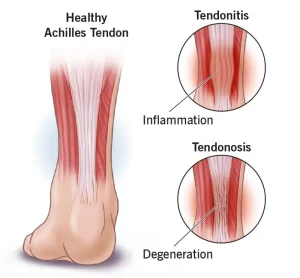
Tendinitis is the inflammation or irritation of a tendon, the thick fibrous cord that connects muscle to bone. Tendons help the body move by transmitting the force produced by muscles to bones. When a tendon becomes inflamed or irritated, it can cause pain and tenderness near a joint.
Tendinitis commonly occurs in areas such as the shoulders, elbows, wrists, knees, and heels. The condition often develops as a result of repetitive movements, overuse, or sudden injury during physical activities or sports.
Although tendinitis can affect people of all ages, it is more common in adults who perform repetitive tasks at work or during exercise. With proper care and rest, most cases improve over time.
Symptoms
Symptoms of tendinitis usually occur around the affected tendon and joint.
Common symptoms include:
-
Pain near a joint, especially during movement
-
Tenderness when touching the affected area
-
Mild swelling around the tendon
-
Stiffness or reduced movement in the joint
-
A feeling of warmth in the affected area
The pain may worsen during activity and improve with rest.
Causes
Tendinitis typically develops due to strain or injury to a tendon.
Possible causes include:
-
Repetitive movements during sports or work
-
Sudden increase in physical activity
-
Poor posture or improper technique during exercise
-
Aging-related wear and tear on tendons
-
Direct injury or trauma to a tendon
In some cases, underlying medical conditions may contribute to tendon inflammation.
Risk Factors
Certain factors may increase the likelihood of developing tendinitis.
Risk factors include:
-
Participation in sports involving repetitive motions such as tennis, running, or swimming
-
Jobs that require repeated physical movements
-
Increasing age, which reduces tendon flexibility
-
Poor posture or incorrect exercise techniques
-
Certain medical conditions such as arthritis or diabetes
People who frequently perform repetitive activities may have a higher risk of tendon irritation.
Complications
If tendinitis is not treated properly, the condition may worsen and lead to additional problems.
Possible complications include:
-
Chronic tendon pain
-
Tendon weakening or degeneration
-
Tendon rupture in severe cases
-
Reduced joint mobility
Early treatment and rest can help prevent long-term damage.
Prevention
Preventing tendinitis focuses on protecting tendons from excessive strain and injury.
Preventive measures include:
-
Warming up and stretching before physical activity
-
Gradually increasing exercise intensity
-
Using proper techniques during sports and physical tasks
-
Taking regular breaks during repetitive activities
-
Maintaining good posture
-
Strengthening muscles around joints to support tendons
Following these practices can help reduce the risk of tendon inflammation and keep joints functioning properly.
Advertisement
