
Overview
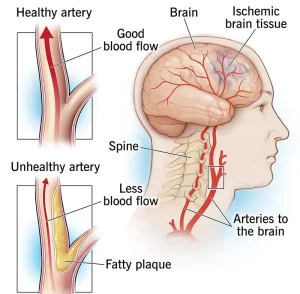
Transient ischemic attack, often called a TIA or mini stroke, is a temporary period of symptoms similar to those of a stroke. It occurs when blood flow to a part of the brain is briefly blocked. Unlike a stroke, the blockage is temporary and does not cause permanent brain damage.
Although the symptoms usually last only a few minutes to a few hours and then resolve completely, a transient ischemic attack is an important warning sign. It indicates a higher risk of having a full stroke in the future. Immediate medical evaluation and treatment are essential to reduce this risk.
Symptoms
Symptoms of a transient ischemic attack appear suddenly and are similar to stroke symptoms. They typically resolve within a short period of time.
Common symptoms include:
-
Sudden weakness or numbness in the face, arm, or leg, usually on one side of the body
-
Difficulty speaking or understanding speech
-
Sudden confusion
-
Loss of vision in one or both eyes
-
Double vision
-
Dizziness or loss of balance
-
Sudden severe headache without a known cause
Even if the symptoms disappear quickly, medical attention should be sought immediately.
Causes
A transient ischemic attack occurs when blood flow to the brain is temporarily reduced or blocked. This usually happens due to a small blood clot or a buildup of fatty deposits in the arteries supplying blood to the brain.
When the blood flow is restored quickly, brain cells recover before permanent damage occurs. However, the underlying problem that caused the blockage may still remain and increase the risk of a future stroke.
Risk factors
Several factors increase the risk of experiencing a transient ischemic attack:
-
High blood pressure
-
High cholesterol levels
-
Diabetes
-
Smoking
-
Obesity
-
Lack of physical activity
-
Heart diseases such as atrial fibrillation
-
Family history of stroke
-
Increasing age
Managing these risk factors is important for preventing future strokes.
Complications
Although the symptoms of a transient ischemic attack are temporary, the condition can lead to serious complications.
Possible complications include:
-
Increased risk of a full stroke
-
Recurrent transient ischemic attacks
-
Long term damage if a stroke occurs later
-
Cardiovascular problems related to blocked arteries
Many people who have a stroke experience warning signs such as a TIA beforehand.
Prevention
Preventive measures focus on reducing the risk of stroke by managing underlying health conditions.
Helpful preventive steps include:
-
Control high blood pressure and cholesterol levels
-
Maintain a healthy weight
-
Exercise regularly
-
Eat a balanced diet rich in fruits, vegetables, and whole grains
-
Stop smoking and limit alcohol consumption
-
Manage diabetes effectively
-
Take prescribed medications as directed by a healthcare provider
Regular medical checkups and healthy lifestyle choices can significantly reduce the risk of transient ischemic attacks and future strokes.
Advertisement
