
Overview
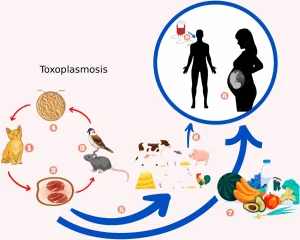
Toxoplasmosis is an infection caused by the parasite Toxoplasma gondii. This parasite can infect humans and animals, especially cats, which are the primary hosts where the parasite reproduces. Many people infected with toxoplasmosis do not show symptoms because their immune system keeps the infection under control.
The infection is usually mild in healthy individuals, but it can cause serious complications in people with weakened immune systems and in unborn babies if a woman becomes infected during pregnancy. The parasite is commonly spread through contaminated food, soil, water, or contact with infected cat feces.
Symptoms
Most healthy people with toxoplasmosis may not experience noticeable symptoms. When symptoms do occur, they may resemble those of a mild flu.
Common symptoms include:
-
Swollen lymph nodes, especially in the neck
-
Muscle aches and body pain
-
Fever
-
Fatigue
-
Headache
-
Sore throat
In individuals with weakened immune systems, symptoms may be more severe and can affect the brain, lungs, or eyes.
Causes
Toxoplasmosis occurs when the parasite Toxoplasma gondii enters the body. People can become infected through several routes.
Common sources of infection include:
-
Eating undercooked or raw meat containing the parasite
-
Consuming food or water contaminated with the parasite
-
Handling soil or sand contaminated with infected cat feces
-
Cleaning a cat’s litter box without proper hygiene
-
Transmission from an infected mother to her unborn baby during pregnancy
-
Organ transplantation or blood transfusion in rare cases
Once inside the body, the parasite can form inactive cysts in tissues such as the muscles, brain, and eyes.
Risk factors
Certain factors increase the risk of developing toxoplasmosis or experiencing severe symptoms:
-
Weakened immune system due to illness or medications
-
Pregnancy
-
Eating raw or undercooked meat
-
Handling cat litter or soil without washing hands
-
Consuming unwashed fruits and vegetables
-
Organ transplant recipients
People with compromised immunity are particularly vulnerable to serious complications.
Complications
Toxoplasmosis can cause severe complications in certain individuals.
Possible complications include:
-
Brain inflammation
-
Seizures
-
Vision problems or eye infections
-
Lung infections
-
Severe illness in people with weakened immune systems
-
Miscarriage or birth defects if infection occurs during pregnancy
Congenital toxoplasmosis in infants may lead to long term neurological or developmental problems.
Prevention
Several preventive measures can help reduce the risk of toxoplasmosis infection:
-
Cook meat thoroughly before eating
-
Wash fruits and vegetables carefully before consumption
-
Wash hands after handling raw meat, soil, or sand
-
Avoid drinking untreated water
-
Wear gloves while gardening or handling soil
-
Clean cat litter boxes daily and wash hands afterward
-
Pregnant women should avoid handling cat litter if possible
Maintaining proper food hygiene and practicing good personal hygiene can significantly reduce the risk of toxoplasmosis infection.
Advertisement
