
Overview
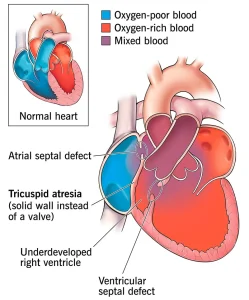
Tricuspid atresia is a rare congenital heart defect present at birth in which the tricuspid valve, located between the right atrium and right ventricle of the heart, does not develop properly. Because this valve is missing or blocked, blood cannot flow normally from the right atrium to the right ventricle.
As a result, oxygen poor blood cannot easily reach the lungs to receive oxygen. The body may not receive enough oxygenated blood, leading to symptoms soon after birth. Infants with tricuspid atresia usually have other heart abnormalities that allow some blood flow between heart chambers. Early medical care and surgical treatment are often required.
Symptoms
Symptoms of tricuspid atresia typically appear shortly after birth because of reduced oxygen levels in the blood.
Common symptoms include:
-
Bluish discoloration of the skin, lips, and nails (cyanosis)
-
Rapid breathing
-
Poor feeding in infants
-
Fatigue or weakness
-
Poor weight gain
-
Sweating during feeding
-
Heart murmur detected during a medical examination
The severity of symptoms depends on the extent of the heart defect and how much blood can circulate to the lungs.
Causes
Tricuspid atresia occurs during fetal development when the tricuspid valve fails to form correctly. This abnormal development prevents normal blood flow between the right atrium and right ventricle.
Because the right ventricle is underused, it may remain small or underdeveloped. Other heart defects, such as holes between heart chambers, may develop to allow some blood circulation.
The exact reason why this defect occurs is often unknown, but genetic and environmental factors may play a role.
Risk factors
Certain factors during pregnancy may increase the risk of congenital heart defects such as tricuspid atresia.
Possible risk factors include:
-
Family history of congenital heart disease
-
Maternal diabetes during pregnancy
-
Viral infections during pregnancy
-
Exposure to certain medications or harmful substances
-
Poor nutrition during pregnancy
However, many infants with this condition are born without any known risk factors.
Complications
Without proper treatment, tricuspid atresia can lead to serious health problems because the body does not receive enough oxygen.
Possible complications include:
-
Severe oxygen deficiency
-
Heart failure
-
Growth and developmental delays in infants
-
Irregular heart rhythms
-
Increased risk of blood clots
With modern surgical treatments, many children with this condition can survive into adulthood, although lifelong medical care is usually necessary.
Prevention
There is no guaranteed way to prevent tricuspid atresia, but certain measures during pregnancy may help reduce the risk of congenital heart defects.
Preventive measures include:
-
Receiving regular prenatal care
-
Managing chronic conditions such as diabetes
-
Avoiding alcohol, tobacco, and harmful substances during pregnancy
-
Taking recommended prenatal vitamins including folic acid
-
Protecting against infections during pregnancy
Early prenatal screening and prompt medical evaluation after birth help ensure timely diagnosis and treatment.
Advertisement
