
Overview
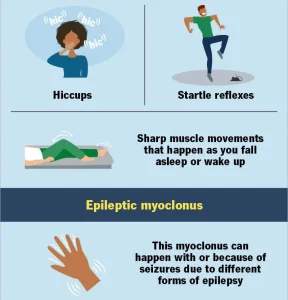
Myoclonus is a neurological condition characterized by sudden, brief, involuntary muscle jerks. These movements can involve a single muscle, a group of muscles, or multiple areas of the body. Myoclonus can occur as a normal phenomenon, such as hiccups or sleep-related jerks, or as a symptom of an underlying medical or neurological disorder.
The severity of myoclonus varies widely. Some cases are mild and harmless, while others can interfere with daily activities and quality of life. Management depends on identifying and treating the underlying cause.
Symptoms
The primary symptom of myoclonus is sudden muscle jerking that cannot be controlled.
Common features include:
-
Brief, shock-like muscle movements
-
Sudden jerks occurring at rest or during movement
-
Single or repetitive muscle contractions
-
Movements that may be triggered by sound, light, touch, or stress
-
Involvement of the arms, legs, face, or trunk
The frequency and intensity of symptoms can range from occasional mild jerks to frequent, disruptive movements.
Causes
Myoclonus can result from a wide range of causes affecting the brain, spinal cord, nerves, or muscles.
Common causes include:
-
Disorders of the brain or spinal cord
-
Epilepsy or seizure-related conditions
-
Head or spinal cord injury
-
Stroke
-
Brain infections
-
Metabolic disturbances such as kidney or liver failure
-
Reactions to certain medications
-
Neurodegenerative diseases
-
Lack of oxygen to the brain
In some cases, no specific cause can be identified.
Risk Factors
The risk of developing myoclonus depends largely on underlying health conditions and exposures.
Risk factors include:
-
Existing neurological disorders
-
History of brain injury or stroke
-
Severe infections affecting the nervous system
-
Metabolic or organ failure
-
Use of medications known to affect the nervous system
-
Family history of certain neurological conditions
Myoclonus can affect individuals of any age.
Complications
Mild myoclonus may not cause significant complications, but severe or persistent cases can interfere with daily functioning.
Possible complications include:
-
Difficulty with coordination and movement
-
Interference with speech or swallowing
-
Increased risk of falls or injuries
-
Sleep disturbances
-
Reduced quality of life
-
Emotional distress or anxiety related to symptoms
Managing the underlying cause can help reduce the risk of complications.
Prevention
Myoclonus cannot always be prevented, especially when related to genetic or degenerative conditions. However, certain measures may lower the risk.
Preventive strategies include:
-
Managing chronic medical conditions effectively
-
Avoiding head injuries by using safety measures
-
Using medications only as prescribed
-
Seeking prompt treatment for infections or metabolic disorders
-
Maintaining regular medical checkups for neurological health
Early evaluation and appropriate treatment can help control symptoms and improve daily functioning for individuals with myoclonus.
Advertisement
