
Overview
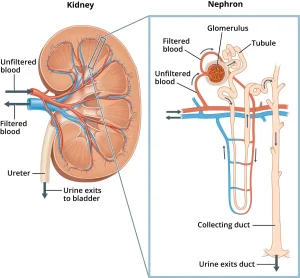
Nephrotic syndrome is a kidney disorder characterized by excessive loss of protein in the urine due to damage to the filtering units of the kidneys, known as glomeruli. This loss of protein leads to low levels of protein in the blood and causes fluid to leak into body tissues. Nephrotic syndrome can occur in both children and adults and may be a primary kidney condition or develop as a complication of another disease.
Symptoms
Symptoms of nephrotic syndrome result from protein loss and fluid retention and may include:
-
Swelling of the face, especially around the eyes
-
Swelling of the legs, ankles, feet, or abdomen
-
Foamy or frothy urine due to high protein content
-
Weight gain from fluid retention
-
Fatigue or weakness
-
Loss of appetite
Symptoms may worsen as the condition progresses.
Causes
Nephrotic syndrome is caused by damage to the glomeruli, which normally prevent large amounts of protein from passing into the urine. Causes can be grouped into primary and secondary conditions. Primary causes involve diseases that directly affect the kidneys, while secondary causes result from systemic conditions such as diabetes, infections, autoimmune diseases, or certain medications.
Risk Factors
Several factors increase the likelihood of developing nephrotic syndrome:
-
Diabetes mellitus
-
Autoimmune diseases such as lupus
-
Chronic infections
-
Certain cancers
-
Use of medications that affect kidney function
-
Family history of kidney disease
Risk factors vary depending on the underlying cause.
Complications
If not properly managed, nephrotic syndrome can lead to complications:
-
Increased risk of infections due to loss of immune proteins
-
Blood clots resulting from changes in clotting factors
-
High cholesterol and increased cardiovascular risk
-
Acute or chronic kidney failure
-
Malnutrition due to protein loss
Early treatment helps reduce the risk of serious complications.
Prevention
Not all cases of nephrotic syndrome can be prevented, but certain measures may reduce risk and support kidney health:
-
Managing underlying conditions such as diabetes and high blood pressure
-
Following prescribed treatments and dietary recommendations
-
Limiting salt intake to reduce fluid retention
-
Regular monitoring of kidney function in high-risk individuals
-
Prompt medical attention for swelling or changes in urine
Early diagnosis and ongoing medical care are essential for preventing complications associated with nephrotic syndrome.
Advertisement
