
Overview
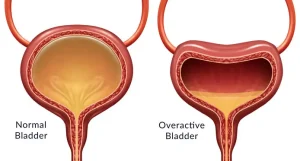
Overactive bladder (OAB) is a condition characterized by a sudden, uncontrollable urge to urinate, often accompanied by frequent urination and, in some cases, urinary incontinence. OAB is caused by involuntary contractions of the bladder muscles and can affect adults of any age, though it is more common in older individuals. The condition can impact daily life, work, and social activities.
Symptoms
Common symptoms of overactive bladder include:
-
Sudden, strong urge to urinate (urgency)
-
Frequent urination, often more than eight times per day
-
Nocturia, or waking at night to urinate
-
Urge incontinence, or involuntary loss of urine after a sudden urge
-
Difficulty holding urine until reaching a bathroom
-
Discomfort or pressure in the lower abdomen
Causes
Overactive bladder occurs when the bladder muscles contract involuntarily, even when the bladder is not full. Causes include:
-
Idiopathic causes (unknown in many cases)
-
Nervous system disorders, such as Parkinson’s disease, multiple sclerosis, or stroke
-
Bladder irritation or infection
-
Obstruction of the urinary tract, such as enlarged prostate in men
-
Medications that increase urine production or stimulate bladder activity
-
Diabetes or other conditions affecting nerve function
Risk Factors
Factors that increase the risk of developing OAB include:
-
Aging
-
Female gender
-
Obesity, which adds pressure on the bladder
-
Chronic medical conditions, including diabetes or neurological disorders
-
History of urinary tract infections
-
Certain medications, such as diuretics
Complications
If left unmanaged, overactive bladder can lead to:
-
Urinary incontinence and social embarrassment
-
Skin irritation or infections due to frequent leakage
-
Sleep disturbances due to nocturia
-
Reduced quality of life and anxiety
-
Increased risk of falls in older adults due to rushing to the bathroom
Prevention
Preventive measures and lifestyle changes can help reduce OAB symptoms:
-
Maintaining a healthy weight
-
Avoiding bladder irritants such as caffeine, alcohol, or acidic foods
-
Practicing bladder training and scheduled voiding
-
Performing pelvic floor exercises (Kegel exercises)
-
Staying hydrated but avoiding excessive fluid intake at night
-
Seeking early evaluation for urinary symptoms to address underlying causes
Advertisement
