
Overview
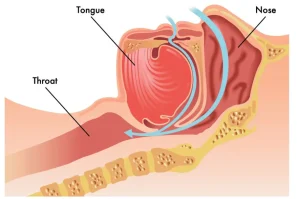
Pediatric Obstructive Sleep Apnea is a sleep disorder in children in which breathing repeatedly stops and starts during sleep due to partial or complete blockage of the upper airway. These breathing interruptions can reduce oxygen levels and disturb normal sleep patterns.
The condition is most commonly caused by enlarged tonsils or adenoids that block the airway during sleep. Pediatric Obstructive Sleep Apnea can affect children of all ages, including infants and teenagers. If left untreated, it may affect a child’s growth, behavior, learning ability, and overall health. Early diagnosis and treatment are important to improve sleep quality and prevent long-term complications.
Symptoms
Symptoms of Pediatric Obstructive Sleep Apnea often occur during sleep but may also affect a child’s daytime behavior and energy levels.
Common nighttime symptoms include:
-
Loud or frequent snoring
-
Pauses in breathing during sleep
-
Gasping, choking, or snorting sounds while sleeping
-
Restless sleep or frequent awakenings
-
Mouth breathing during sleep
-
Excessive sweating at night
-
Bedwetting in some children
Daytime symptoms may include:
-
Morning headaches
-
Difficulty waking up in the morning
-
Excessive daytime sleepiness
-
Irritability or mood changes
-
Difficulty concentrating in school
-
Hyperactivity or behavioral problems
-
Poor academic performance
In younger children, poor growth or delayed development may also occur.
Causes
Pediatric Obstructive Sleep Apnea occurs when the airway becomes blocked during sleep. In children, the most common cause is enlarged tonsils and adenoids, which can narrow the airway and interfere with normal breathing.
Other possible causes include:
-
Obesity, which can add extra tissue around the airway
-
Structural abnormalities of the face or jaw
-
Neuromuscular disorders that affect muscle control
-
Nasal congestion or chronic allergies
-
Genetic conditions that affect airway structure
During sleep, the muscles of the throat relax, which can further narrow the airway and cause breathing interruptions.
Risk Factors
Certain factors may increase a child’s risk of developing Pediatric Obstructive Sleep Apnea.
These include:
-
Enlarged tonsils or adenoids
-
Obesity or excess body weight
-
Family history of sleep apnea
-
Down syndrome or other genetic conditions
-
Craniofacial abnormalities affecting the airway
-
Neuromuscular disorders
-
Chronic nasal congestion or allergies
Children with these risk factors may need closer monitoring for sleep-related breathing problems.
Complications
If Pediatric Obstructive Sleep Apnea is not treated, it can lead to several health and developmental problems.
Possible complications include:
-
Poor growth due to disrupted sleep and hormone changes
-
Learning difficulties and reduced academic performance
-
Behavioral problems or attention difficulties
-
High blood pressure
-
Heart problems in severe cases
-
Frequent daytime fatigue
-
Delayed cognitive development
Proper treatment can significantly improve sleep quality and reduce these risks.
Prevention
Although Pediatric Obstructive Sleep Apnea cannot always be prevented, certain measures may help reduce the risk or severity of the condition.
Helpful preventive steps may include:
-
Maintaining a healthy weight in children
-
Treating chronic allergies or nasal congestion
-
Encouraging good sleep habits and regular sleep schedules
-
Seeking medical evaluation for persistent snoring or breathing problems during sleep
-
Regular pediatric checkups to monitor growth and airway health
Early recognition of symptoms and timely medical care can help ensure healthy sleep and overall development in children.
Request an appointment
Advertisement
