
Overview
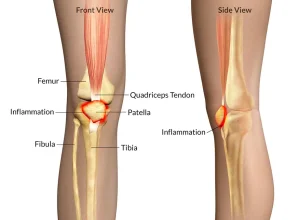
Patellofemoral Pain Syndrome (PFPS) is a common knee condition characterized by pain around or behind the kneecap (patella). It occurs when the patella does not move properly along the groove at the end of the thigh bone (femur), leading to irritation of the surrounding tissues. Because it frequently affects people who run or participate in sports, it is often referred to as runner’s knee.
This condition can affect athletes as well as people who are physically active or those who place repeated stress on their knees during daily activities. Patellofemoral Pain Syndrome may develop gradually and can worsen if the knee continues to be overused without proper rest or treatment.
Symptoms
The primary symptom of Patellofemoral Pain Syndrome is a dull, aching pain in the front of the knee. The discomfort may increase during activities that put pressure on the kneecap.
Common symptoms include:
-
Pain in the front of the knee, around or behind the kneecap
-
Knee pain that worsens during running, jumping, or squatting
-
Discomfort when climbing or descending stairs
-
Pain after sitting for long periods with the knees bent
-
A grinding or popping sensation in the knee
-
Mild swelling around the kneecap
-
Tenderness around the patella
Symptoms may gradually worsen if the knee continues to be overused.
Causes
Patellofemoral Pain Syndrome usually develops when excessive pressure is placed on the joint between the kneecap and the thigh bone. This pressure can irritate the cartilage and surrounding tissues.
Common causes include:
-
Overuse of the knee joint from repetitive activities
-
Misalignment of the kneecap
-
Weak thigh or hip muscles
-
Tight muscles around the knee or leg
-
Sudden increases in physical activity
-
Improper running or exercise technique
-
Injury or trauma to the knee
These factors can interfere with the normal tracking movement of the kneecap during knee motion.
Risk Factors
Certain individuals may have a higher risk of developing Patellofemoral Pain Syndrome.
These include:
-
Athletes who participate in running, cycling, or jumping sports
-
Adolescents and young adults
-
People with flat feet or abnormal foot mechanics
-
Weak or imbalanced thigh and hip muscles
-
Individuals who suddenly increase their physical activity levels
-
Females, who may have a slightly higher risk due to differences in hip and knee alignment
These factors can place additional stress on the patellofemoral joint.
Complications
If Patellofemoral Pain Syndrome is not properly managed, it may lead to persistent knee problems.
Possible complications include:
-
Chronic knee pain
-
Reduced physical activity due to discomfort
-
Weakness in the surrounding muscles
-
Difficulty performing daily movements such as climbing stairs
-
Increased risk of developing other knee conditions
Early treatment and appropriate exercise therapy can help prevent long-term complications.
Prevention
Several strategies can help reduce the risk of developing Patellofemoral Pain Syndrome by protecting the knee joint and maintaining proper muscle balance.
Preventive measures may include:
-
Strengthening the thigh, hip, and core muscles
-
Stretching the quadriceps, hamstrings, and calf muscles regularly
-
Gradually increasing exercise intensity
-
Using proper technique during sports and physical activities
-
Wearing supportive and well-fitting footwear
-
Maintaining a healthy body weight to reduce stress on the knees
-
Avoiding excessive or repetitive strain on the knee joint
Maintaining strong and flexible muscles around the knee can help support proper kneecap movement and reduce the risk of pain and injury.
Advertisement
