
Overview
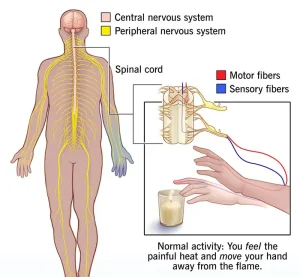
Peripheral nerve injuries occur when nerves outside the brain and spinal cord are damaged. These nerves make up the peripheral nervous system, which carries signals between the central nervous system and the rest of the body. Peripheral nerves control muscle movement, sensation such as touch and pain, and automatic functions like sweating.
Injury to these nerves can disrupt communication between the brain and different parts of the body. This may lead to weakness, numbness, tingling, or loss of movement in the affected area. Peripheral nerve injuries can happen suddenly due to trauma or develop gradually because of pressure or medical conditions.
The severity of the injury can range from mild nerve irritation to complete nerve damage. Early diagnosis and proper treatment are important because some nerve injuries can recover over time, while more severe cases may require surgery or rehabilitation.
Symptoms
The symptoms of peripheral nerve injuries depend on which nerve is affected and the extent of the damage. Some people may experience mild discomfort, while others may have significant loss of function.
Common symptoms include:
-
Numbness or reduced ability to feel touch, temperature, or pain
-
Tingling or burning sensations
-
Sharp, stabbing, or electric-like pain
-
Muscle weakness
-
Loss of coordination or difficulty moving a limb
-
Muscle wasting over time
-
Increased sensitivity to touch
-
Paralysis in severe cases
Symptoms may appear immediately after an injury or develop gradually if the nerve is compressed over time.
Causes
Peripheral nerve injuries can occur for many different reasons. Trauma is one of the most common causes, but medical conditions and repeated pressure on nerves can also lead to damage.
Common causes include:
-
Physical trauma such as accidents, falls, or sports injuries
-
Cuts or wounds that damage nerves
-
Compression of nerves due to swelling or tight spaces in the body
-
Repetitive movements that place stress on certain nerves
-
Bone fractures or dislocations
-
Tumors pressing on nerves
-
Infections that affect nerve tissue
-
Medical conditions such as diabetes
Nerve damage can also occur after surgery if nearby nerves are stretched, compressed, or accidentally injured.
Risk Factors
Certain factors may increase the likelihood of developing peripheral nerve injuries.
These risk factors include:
-
Diabetes and other metabolic disorders
-
Occupations involving repetitive movements
-
Participation in contact sports
-
Poor posture or prolonged pressure on nerves
-
Previous injuries to nerves or surrounding tissues
-
Alcohol misuse
-
Vitamin deficiencies, especially vitamin B deficiencies
People with chronic illnesses affecting nerves may be more vulnerable to nerve damage.
Complications
If peripheral nerve injuries are not treated properly, they can lead to long-term problems affecting movement and sensation.
Possible complications include:
-
Chronic pain
-
Permanent numbness or loss of sensation
-
Muscle weakness or paralysis
-
Loss of coordination
-
Muscle wasting due to lack of nerve stimulation
-
Joint stiffness and reduced mobility
-
Increased risk of injuries because of reduced sensation
Early treatment and rehabilitation can help reduce the risk of long-term complications.
Prevention
While not all peripheral nerve injuries can be prevented, certain measures can reduce the risk of nerve damage.
Preventive strategies include:
-
Using protective equipment during sports and physical activities
-
Practicing proper workplace ergonomics
-
Avoiding repetitive strain and taking regular breaks during repetitive tasks
-
Maintaining good posture
-
Managing chronic conditions such as diabetes
-
Ensuring adequate intake of essential vitamins, particularly B vitamins
-
Seeking medical attention promptly for injuries that cause numbness or weakness
Taking steps to protect nerves and maintain overall health can help lower the chances of developing peripheral nerve injuries.
Request an appointment
Advertisement
