
Overview
Peritonitis is a serious medical condition characterized by inflammation of the peritoneum, the thin layer of tissue that lines the inner wall of the abdomen and covers most abdominal organs. This inflammation usually occurs due to a bacterial or fungal infection that spreads within the abdominal cavity.
Peritonitis often develops as a complication of another medical problem, such as a ruptured organ, abdominal injury, or infection that spreads from the digestive system. Because the peritoneum plays an important role in protecting abdominal organs, inflammation can quickly lead to severe illness if not treated promptly.
This condition is considered a medical emergency. Without timely treatment, the infection can spread into the bloodstream and cause life-threatening complications.
Symptoms
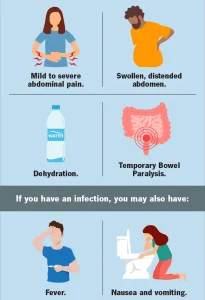
Symptoms of peritonitis typically appear suddenly and may worsen quickly. The most common symptom is severe abdominal pain.
Common symptoms include:
-
Severe abdominal pain or tenderness
-
Swollen or bloated abdomen
-
Fever and chills
-
Nausea and vomiting
-
Loss of appetite
-
Constipation or inability to pass gas
-
Diarrhea in some cases
-
Extreme thirst and reduced urine output
-
Fatigue or weakness
People with peritonitis may also find that abdominal pain worsens with movement, coughing, or touching the abdomen.
Causes
Peritonitis usually occurs when bacteria or fungi enter the abdominal cavity and infect the peritoneum.
Common causes include:
-
Rupture of the appendix
-
Perforated stomach or intestinal ulcer
-
Abdominal injury or trauma
-
Infection from conditions such as pancreatitis or diverticulitis
-
Leakage from the digestive tract due to surgery or injury
-
Peritoneal dialysis complications
-
Spread of infection from other abdominal organs
Sometimes, fluid buildup in the abdomen due to liver disease can also become infected and lead to peritonitis.
Risk Factors
Certain medical conditions and situations can increase the risk of developing peritonitis.
Risk factors include:
-
Liver disease with fluid buildup in the abdomen
-
Kidney failure requiring peritoneal dialysis
-
Recent abdominal surgery
-
Appendicitis or intestinal perforation
-
Abdominal trauma or injury
-
Inflammatory bowel diseases
-
Weakened immune system
Individuals undergoing long-term dialysis treatments may be particularly vulnerable to infection in the abdominal cavity.
Complications
Peritonitis can lead to severe and potentially life-threatening complications if not treated quickly.
Possible complications include:
-
Spread of infection into the bloodstream
-
Sepsis, a severe body-wide infection
-
Organ failure
-
Abscess formation in the abdomen
-
Dehydration and electrolyte imbalance
-
Shock
Prompt medical care with antibiotics and sometimes surgery is essential to control the infection and prevent these complications.
Prevention
Preventing peritonitis mainly involves reducing the risk of abdominal infections and addressing medical conditions that may lead to infection.
Preventive measures include:
-
Maintaining proper hygiene and sterile techniques during peritoneal dialysis
-
Seeking prompt medical treatment for abdominal pain or suspected appendicitis
-
Managing digestive conditions that may lead to intestinal perforation
-
Following medical instructions carefully after abdominal surgery
-
Treating infections early before they spread
Early recognition of symptoms and quick medical treatment can significantly reduce the risk of serious complications from peritonitis.
Advertisement
