
Overview
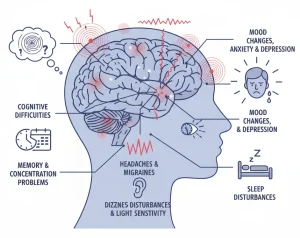
Persistent Post-Concussive Symptoms, commonly known as Post-Concussion Syndrome, is a condition in which symptoms of a concussion continue for weeks, months, or sometimes longer after the initial head injury. A concussion is a mild traumatic brain injury that temporarily affects brain function, usually caused by a blow to the head or a sudden movement of the head and body.
While most people recover from a concussion within a few weeks, some individuals continue to experience lingering symptoms that interfere with daily activities. These symptoms may affect physical health, thinking abilities, emotions, and sleep patterns.
Persistent post-concussive symptoms can occur even after a mild injury and may not always correlate with the severity of the original trauma. Early evaluation and proper management can help reduce the impact of these ongoing symptoms.
Symptoms
Symptoms of persistent post-concussive syndrome can vary widely and may affect physical, cognitive, and emotional health.
Common symptoms include:
-
Persistent headaches
-
Dizziness or balance problems
-
Fatigue or low energy
-
Sensitivity to light and noise
-
Difficulty concentrating
-
Memory problems
-
Slowed thinking
-
Irritability or mood changes
-
Anxiety or depression
-
Sleep disturbances such as insomnia or excessive sleep
-
Blurred vision or visual disturbances
-
Ringing in the ears
Symptoms may appear shortly after the injury or develop gradually over time.
Causes
Persistent post-concussive symptoms develop after a concussion, but the exact reason why symptoms continue in some people is not fully understood. It may involve a combination of physical changes in the brain and psychological factors.
Possible contributing causes include:
-
Disruption of brain cell function following head injury
-
Changes in brain metabolism or blood flow
-
Damage to nerve pathways involved in thinking and balance
-
Emotional stress or anxiety following the injury
-
Previous history of concussions
The persistence of symptoms may vary depending on the individual and the nature of the injury.
Risk Factors
Certain factors may increase the likelihood of developing persistent symptoms after a concussion.
These risk factors include:
-
Previous concussions or head injuries
-
Older age
-
Female sex
-
History of headaches or migraines
-
Preexisting anxiety or depression
-
Severe initial concussion symptoms
-
Lack of adequate rest after the injury
Not everyone with these risk factors will develop persistent symptoms, but they may increase vulnerability.
Complications
If symptoms persist for a long time, they can significantly affect quality of life and daily functioning.
Possible complications include:
-
Difficulty returning to work or school
-
Reduced concentration and memory performance
-
Ongoing headaches or chronic pain
-
Emotional difficulties such as anxiety or depression
-
Sleep problems that affect overall health
-
Reduced physical activity due to dizziness or fatigue
Appropriate medical care, rehabilitation, and supportive therapies can help manage these complications.
Prevention
Preventing persistent post-concussive symptoms primarily involves reducing the risk of concussions and ensuring proper recovery after a head injury.
Preventive measures include:
-
Using protective equipment such as helmets during sports or risky activities
-
Following safety practices while driving, cycling, or working in hazardous environments
-
Preventing falls by maintaining safe surroundings and good balance
-
Seeking medical evaluation after any head injury
-
Allowing adequate physical and mental rest after a concussion
-
Gradually returning to normal activities under medical guidance
Proper management of concussions and avoiding repeated head injuries can help lower the risk of developing persistent post-concussive symptoms.
Advertisement
