
Overview
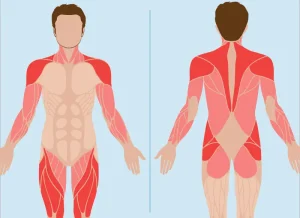
Polymyalgia Rheumatica (PMR) is an inflammatory disorder that primarily affects older adults, causing muscle pain and stiffness, particularly in the shoulders, neck, and hips. The exact cause is unknown, but it is believed to involve immune system dysfunction. PMR can develop rapidly and is often associated with systemic symptoms like fatigue and low-grade fever. Early diagnosis and treatment are important to reduce discomfort and prevent complications.
Symptoms
Common symptoms of Polymyalgia Rheumatica include:
-
Stiffness and aching in the shoulders, neck, and hips
-
Morning stiffness that lasts more than 30 minutes
-
Fatigue and general malaise
-
Low-grade fever
-
Loss of appetite and unintentional weight loss
-
Difficulty performing daily activities such as lifting arms or climbing stairs
Causes
The exact cause of PMR is not fully understood, but factors include:
-
Immune system dysfunction causing inflammation in the joints and surrounding tissues
-
Genetic predisposition in some individuals
-
Possible triggers from infections or environmental factors
Risk factors
Certain factors increase the likelihood of developing PMR:
-
Age above 50, most commonly between 70 and 80
-
Female gender, as women are more frequently affected
-
Northern European or Scandinavian ancestry
-
Personal or family history of autoimmune or inflammatory disorders
Complications
If untreated, PMR can lead to several complications:
-
Giant cell arteritis, an inflammation of the blood vessels that can cause vision loss
-
Persistent pain and stiffness affecting quality of life
-
Side effects from long-term corticosteroid therapy used to manage symptoms
Prevention
While PMR cannot always be prevented, early detection and management can reduce risks and improve outcomes:
-
Regular medical checkups for adults over 50 to monitor symptoms
-
Prompt evaluation of persistent muscle pain or stiffness
-
Following prescribed treatment plans, including corticosteroids, to control inflammation
-
Maintaining a healthy lifestyle with regular exercise to preserve joint and muscle function
Timely diagnosis and treatment of Polymyalgia Rheumatica can significantly improve mobility and reduce the risk of serious complications.
Advertisement
