
Overview
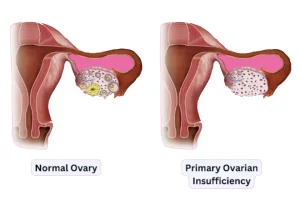
Primary ovarian insufficiency is a condition in which the ovaries stop functioning normally before the age of 40. The ovaries are responsible for producing eggs and the hormones estrogen and progesterone, which regulate the menstrual cycle and support reproductive health. In primary ovarian insufficiency, the ovaries may stop releasing eggs regularly or may not produce normal levels of hormones.
This condition is sometimes referred to as premature ovarian failure, although ovarian function may occasionally return in some women. Primary ovarian insufficiency can lead to irregular or absent menstrual periods and reduced fertility. However, some women with the condition may still become pregnant naturally.
The condition can also affect overall health because reduced estrogen levels influence bone strength, heart health, and emotional well-being. Early diagnosis and medical care can help manage symptoms and reduce long-term health risks.
Symptoms
Symptoms of primary ovarian insufficiency often resemble those of menopause but occur at a younger age.
Common symptoms include:
-
Irregular or missed menstrual periods
-
Difficulty becoming pregnant
-
Hot flashes or night sweats
-
Vaginal dryness
-
Decreased sexual desire
-
Irritability or mood changes
-
Difficulty concentrating
-
Trouble sleeping
Some women may also experience symptoms related to low estrogen levels, such as thinning hair or dry skin.
Causes
Primary ovarian insufficiency occurs when the ovaries lose normal function earlier than expected. In many cases, the exact cause is unknown.
Possible causes include:
-
Genetic abnormalities affecting ovarian development
-
Autoimmune disorders in which the immune system attacks ovarian tissue
-
Certain infections
-
Medical treatments such as chemotherapy or radiation therapy
-
Surgical removal of the ovaries
In some women, the ovaries still contain follicles but they do not function properly, while in others the follicles may be depleted earlier than normal.
Risk factors
Several factors may increase the risk of developing primary ovarian insufficiency.
-
Family history of early menopause or ovarian problems
-
Genetic conditions affecting reproductive health
-
Autoimmune diseases such as thyroid disorders
-
Previous cancer treatments involving chemotherapy or radiation
-
Surgical procedures involving the ovaries
Women between the ages of 30 and 40 are more commonly diagnosed with the condition compared with younger women.
Complications
Primary ovarian insufficiency can lead to several long-term health issues due to reduced hormone production.
Possible complications include:
-
Infertility or difficulty becoming pregnant
-
Bone loss or osteoporosis
-
Increased risk of heart disease
-
Depression or anxiety
-
Reduced sexual health and comfort
Proper medical care and hormone management can help reduce these risks.
Prevention
Primary ovarian insufficiency cannot usually be prevented because many cases are caused by genetic or autoimmune factors. However, certain steps may help support reproductive and overall health.
-
Regular gynecological checkups to monitor reproductive health
-
Maintaining a balanced diet rich in calcium and vitamin D to support bone health
-
Avoiding smoking and limiting alcohol consumption
-
Managing autoimmune diseases effectively
-
Seeking medical advice if menstrual cycles become irregular at a young age
Early diagnosis and treatment can help manage symptoms, protect long-term health, and improve quality of life.
Advertisement
