
Overview
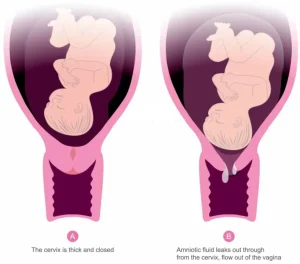
Preterm labor occurs when regular contractions begin and cause changes in the cervix before 37 weeks of pregnancy. Normally, labor starts after the baby has fully developed, around 40 weeks. When labor begins too early, it can lead to premature birth, which may pose health risks for the baby.
During preterm labor, the uterus contracts and the cervix begins to thin and open earlier than expected. If these changes continue, the baby may be born prematurely. The earlier the birth occurs, the greater the risk of complications for the newborn.
Preterm labor can sometimes be stopped or delayed with medical treatment if detected early. Early recognition of warning signs and prompt medical care are important to help prolong the pregnancy and improve the baby’s chances of healthy development.
Symptoms
The symptoms of preterm labor may be mild at first and can sometimes be mistaken for normal pregnancy discomfort.
Common warning signs include:
-
Regular or frequent uterine contractions that may or may not be painful
-
Persistent lower back pain
-
Pelvic pressure or feeling that the baby is pushing down
-
Mild abdominal cramps similar to menstrual cramps
-
Change in vaginal discharge, such as increased amount or watery discharge
-
Vaginal spotting or bleeding
-
Fluid leaking from the vagina due to rupture of the amniotic sac
If these symptoms occur before 37 weeks of pregnancy, medical attention should be sought immediately.
Causes
In many cases, the exact cause of preterm labor is not clearly identified. However, several medical and pregnancy-related conditions may trigger early contractions and cervical changes.
Possible causes include:
-
Infections of the uterus, cervix, or urinary tract
-
Multiple pregnancy, such as twins or triplets
-
Problems with the placenta
-
Early rupture of the amniotic membranes
-
Structural abnormalities of the uterus or cervix
-
Chronic health conditions in the mother, such as high blood pressure or diabetes
Lifestyle factors and environmental influences may also contribute to early labor.
Risk Factors
Certain factors may increase the likelihood of experiencing preterm labor.
These include:
-
Previous preterm birth
-
Pregnancy with multiple babies
-
Short time between pregnancies
-
Smoking, alcohol use, or drug use during pregnancy
-
Poor prenatal care
-
Maternal age younger than 17 or older than 35
-
Chronic stress or physically demanding work
-
Infections during pregnancy
Women with these risk factors may require closer monitoring throughout pregnancy.
Complications
Preterm labor can lead to premature birth, which may result in several health problems for the baby because many organs may not be fully developed.
Possible complications include:
-
Breathing difficulties due to immature lungs
-
Low birth weight
-
Feeding problems
-
Difficulty maintaining body temperature
-
Increased risk of infections
-
Vision or hearing problems
-
Developmental delays or learning difficulties
The severity of complications usually depends on how early the baby is born.
Prevention
Preterm labor cannot always be prevented, but certain measures may help reduce the risk and support a healthy pregnancy.
Helpful preventive steps include:
-
Attending regular prenatal checkups
-
Maintaining a balanced and nutritious diet during pregnancy
-
Avoiding smoking, alcohol, and harmful substances
-
Managing chronic medical conditions with proper medical care
-
Treating infections promptly during pregnancy
-
Allowing adequate time between pregnancies
-
Following medical advice if a pregnancy is considered high risk
Early prenatal care and awareness of warning signs can help reduce the risk of preterm labor and improve outcomes for both mother and baby.
Request an appointment
Advertisement
