
Overview
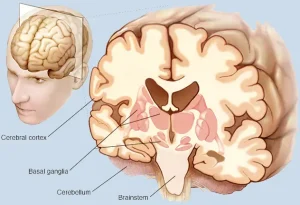
Progressive supranuclear palsy is a rare neurological disorder that affects movement, balance, and eye movements. It occurs when certain areas of the brain responsible for controlling body movements, coordination, and thinking gradually deteriorate. The condition progresses over time and can significantly affect a person’s ability to perform everyday activities.
The disease most commonly develops in older adults, usually after the age of 60. Progressive supranuclear palsy shares some symptoms with other neurological conditions that affect movement, but it has distinct features such as difficulty controlling eye movements and frequent falls.
Although there is currently no cure, medical care focuses on managing symptoms and supporting mobility, communication, and daily functioning.
Symptoms
Symptoms of progressive supranuclear palsy usually develop gradually and worsen over time.
Common symptoms include:
-
Loss of balance and frequent falls, often falling backward
-
Stiffness and slow body movements
-
Difficulty moving the eyes, especially looking up or down
-
Blurred vision or trouble focusing
-
Difficulty speaking clearly
As the condition progresses, additional symptoms may appear:
-
Trouble swallowing
-
Changes in facial expression, often appearing stiff or serious
-
Memory and thinking difficulties
-
Mood changes such as depression or irritability
-
Muscle stiffness in the neck and upper body
These symptoms can significantly affect mobility and communication.
Causes
Progressive supranuclear palsy occurs due to the gradual breakdown of nerve cells in specific areas of the brain, particularly those that control movement and balance. The exact cause of this degeneration is not fully understood.
The condition is associated with abnormal accumulation of a protein called tau in brain cells. This buildup damages nerve cells and interferes with their normal function, leading to progressive neurological symptoms.
In most cases, the disease develops without a clear inherited pattern, although genetic and environmental factors may play a role.
Risk factors
Certain factors may increase the likelihood of developing progressive supranuclear palsy.
-
Age, most commonly affecting people over 60 years
-
Possible genetic susceptibility
-
Certain environmental influences affecting brain health
However, the disorder is rare, and most people who develop it do not have clear risk factors.
Complications
As progressive supranuclear palsy advances, it can lead to several complications due to impaired movement and swallowing.
Possible complications include:
-
Severe balance problems and frequent falls
-
Difficulty swallowing, which may lead to choking or aspiration
-
Pneumonia caused by food or liquid entering the lungs
-
Communication difficulties
-
Reduced mobility and dependence on caregivers
These complications can significantly affect independence and quality of life.
Prevention
There is currently no known way to prevent progressive supranuclear palsy because its exact cause remains unclear. However, early diagnosis and supportive care can help manage symptoms and improve safety and quality of life.
-
Regular neurological evaluation if movement or vision problems develop
-
Physical therapy to improve balance and mobility
-
Speech and swallowing therapy for communication and eating difficulties
-
Use of assistive devices to reduce the risk of falls
-
Emotional and psychological support for patients and caregivers
Ongoing medical care and rehabilitation can help individuals adapt to the challenges of the condition and maintain independence for as long as possible.
Advertisement
