
Overview
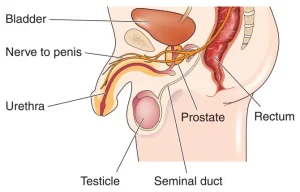
Prostatitis is a condition characterized by inflammation of the prostate gland. The prostate is a small gland located below the bladder in men and plays an important role in producing fluid that nourishes and transports sperm. When the prostate becomes inflamed, it can cause discomfort, urinary problems, and other symptoms affecting the pelvic region.
Prostatitis can affect men of all ages, although it is more common in younger and middle-aged men. The condition may develop suddenly or gradually and can be caused by bacterial infections or other factors. In some cases, the exact cause cannot be identified.
There are several types of prostatitis, including acute bacterial prostatitis, chronic bacterial prostatitis, chronic prostatitis or chronic pelvic pain syndrome, and asymptomatic inflammatory prostatitis. Treatment depends on the type and underlying cause of the condition.
Symptoms
Symptoms of prostatitis can vary depending on the type and severity of inflammation.
Common symptoms include:
-
Pain or burning sensation during urination
-
Frequent or urgent need to urinate
-
Difficulty urinating or weak urine flow
-
Pain in the lower abdomen, groin, or lower back
-
Pain in the area between the scrotum and rectum
-
Pain during or after ejaculation
Some individuals may also experience additional symptoms such as fever, chills, or flu-like symptoms, particularly in cases of acute bacterial prostatitis.
Causes
Prostatitis can occur for several reasons, depending on the type of the condition.
Possible causes include:
-
Bacterial infection that spreads from the urinary tract
-
Previous urinary tract infections
-
Nerve damage affecting the pelvic area
-
Injury or trauma to the pelvic region
-
Immune system responses that cause inflammation
In many cases of chronic prostatitis or chronic pelvic pain syndrome, no specific infection can be identified.
Risk factors
Certain factors may increase the likelihood of developing prostatitis.
-
Previous urinary tract infections
-
Recent use of a urinary catheter
-
Prostate enlargement
-
Pelvic trauma or injury
-
Dehydration
-
Stress or nerve irritation affecting the pelvic region
Men with weakened immune systems may also have a higher risk of infection-related prostatitis.
Complications
If prostatitis is not treated properly, it may lead to several complications.
Possible complications include:
-
Recurrent urinary tract infections
-
Chronic pelvic pain
-
Difficulty urinating
-
Prostate abscess, which is a collection of pus in the prostate
-
Fertility problems in some cases
Early treatment can help prevent long-term complications and improve recovery.
Prevention
While prostatitis cannot always be prevented, certain measures may help reduce the risk of infection and inflammation.
-
Maintain good hydration by drinking enough fluids
-
Practice good hygiene
-
Seek prompt treatment for urinary tract infections
-
Avoid prolonged sitting when possible
-
Follow medical advice when using urinary catheters or undergoing urological procedures
Regular medical checkups and early treatment of urinary symptoms can help maintain prostate health and reduce the likelihood of complications.
Advertisement
