
Overview
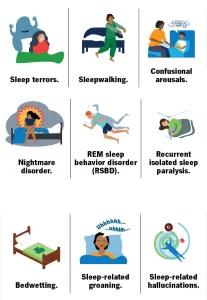
REM sleep behavior disorder is a sleep-related condition in which the normal muscle paralysis that occurs during rapid eye movement sleep is absent or incomplete. As a result, individuals physically act out their dreams, which are often vivid and intense. These behaviors can include talking, shouting, punching, kicking, or jumping from bed. REM sleep behavior disorder most commonly affects older adults and may be associated with underlying neurological conditions.
REM Sleep Behavior Disorder Symptoms
Symptoms typically occur during the REM stage of sleep and may vary in severity.
-
Acting out dreams with physical movements
-
Talking, shouting, or screaming during sleep
-
Sudden arm or leg movements
-
Punching, kicking, or flailing while asleep
-
Falling out of bed
-
Dream recall associated with aggressive or vivid content
-
Injury to self or bed partner
-
Disrupted sleep and daytime fatigue
REM Sleep Behavior Disorder Causes
REM sleep behavior disorder occurs due to dysfunction in brain areas responsible for muscle paralysis during REM sleep.
-
Degeneration of brainstem structures controlling sleep
-
Neurochemical imbalances affecting sleep regulation
-
Association with neurodegenerative disorders
-
Side effects of certain medications, including antidepressants
-
Withdrawal from alcohol or sedative medications
-
Idiopathic cases with no identifiable cause
REM Sleep Behavior Disorder Risk Factors
Several factors increase the risk of developing REM sleep behavior disorder.
-
Older age
-
Male sex
-
Neurodegenerative diseases such as Parkinson’s disease
-
Use of certain antidepressant medications
-
History of stroke or brain injury
-
Sleep deprivation
-
Family history of sleep disorders
REM Sleep Behavior Disorder Complications
If left untreated, REM sleep behavior disorder can lead to complications.
-
Injuries to the individual or bed partner
-
Sleep disruption and chronic fatigue
-
Increased risk of developing neurodegenerative diseases
-
Emotional distress or anxiety
-
Reduced quality of life
-
Accidental falls or trauma during sleep
REM Sleep Behavior Disorder Prevention
Prevention focuses on safety and early recognition rather than complete avoidance.
-
Creating a safe sleep environment
-
Removing sharp or dangerous objects from the bedroom
-
Using padded bed rails if necessary
-
Seeking medical evaluation for abnormal sleep behaviors
-
Reviewing medications with a healthcare provider
-
Maintaining regular sleep schedules
-
Managing underlying neurological conditions
Early diagnosis and appropriate treatment can significantly reduce symptoms and improve safety and sleep quality in individuals with REM sleep behavior disorder.
Request an appointment
Advertisement
