
Overview
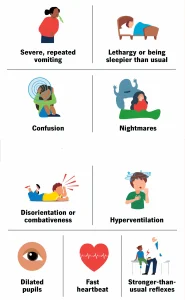
Reye’s syndrome is a rare but serious condition that causes sudden swelling of the liver and brain. It most commonly affects children and teenagers recovering from a viral infection such as influenza or chickenpox. The condition has been strongly associated with the use of aspirin and aspirin-containing medications during viral illnesses. Reye’s syndrome is a medical emergency and requires immediate treatment.
Symptoms of Reye’s Syndrome
Symptoms often appear suddenly and can progress rapidly over a short period.
-
Persistent or severe vomiting
-
Lethargy or extreme tiredness
-
Confusion, irritability, or unusual behavior
-
Rapid breathing
-
Seizures
-
Loss of consciousness in severe cases
Infants may show different signs, such as diarrhea or rapid breathing, rather than vomiting.
Causes of Reye’s Syndrome
The exact cause of Reye’s syndrome is not fully understood, but it is closely linked to certain triggers.
Common contributing factors include:
-
Use of aspirin or salicylate-containing medicines during viral infections
-
Recent viral illness, especially influenza or chickenpox
-
Underlying metabolic disorders affecting fatty acid oxidation
These factors can disrupt normal liver function, leading to toxin buildup that affects the brain.
Risk Factors for Reye’s Syndrome
Certain factors increase the likelihood of developing Reye’s syndrome.
-
Children and teenagers under 18 years of age
-
Exposure to aspirin during viral illnesses
-
Recent recovery from influenza or chickenpox
-
Presence of rare metabolic disorders
Complications of Reye’s Syndrome
Reye’s syndrome can cause severe and life-threatening complications if not treated promptly.
-
Increased pressure within the skull
-
Brain damage
-
Liver failure
-
Coma
-
Death in severe cases
Early diagnosis and aggressive treatment significantly improve outcomes.
Prevention of Reye’s Syndrome
Most cases of Reye’s syndrome can be prevented by avoiding known risk factors.
-
Avoid giving aspirin or aspirin-containing products to children and teenagers
-
Use alternative fever-reducing medications as recommended by healthcare providers
-
Read medication labels carefully to identify salicylates
-
Seek medical attention for severe vomiting or sudden behavioral changes after a viral illness
Public awareness and proper medication use have greatly reduced the incidence of Reye’s syndrome.
Request an appointment
Advertisement
