
Overview
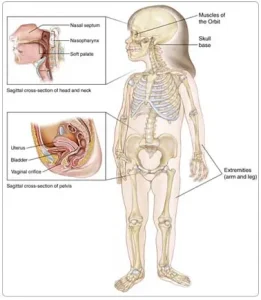
Rhabdomyosarcoma is a rare and aggressive type of cancer that develops from immature muscle cells. Although it arises from cells that normally form skeletal muscle, the tumor can occur in many parts of the body, including areas where muscle tissue is minimal or absent. It most commonly affects children and adolescents and requires prompt medical treatment for the best outcomes.
Symptoms of Rhabdomyosarcoma
Symptoms depend on the location and size of the tumor and may worsen as the cancer grows.
-
A noticeable lump or swelling that may or may not be painful
-
Persistent pain or discomfort in the affected area
-
Difficulty moving a limb or body part
-
Bulging of the eye or vision problems when the tumor is near the eye
-
Nasal congestion or nosebleeds if the tumor is in the head or neck
-
Urinary or bowel problems if the tumor affects pelvic organs
Causes of Rhabdomyosarcoma
The exact cause of rhabdomyosarcoma is not clearly understood. It develops when immature muscle cells begin to grow uncontrollably due to genetic changes.
Known contributing factors include:
-
Genetic mutations affecting cell growth and division
-
Abnormal development of muscle precursor cells during early life
Most cases occur sporadically and are not inherited.
Risk Factors for Rhabdomyosarcoma
Certain factors may increase the risk of developing this cancer.
-
Childhood or adolescence
-
Male sex
-
Presence of certain inherited genetic conditions
-
Exposure to radiation therapy at a young age, in rare cases
Complications of Rhabdomyosarcoma
Rhabdomyosarcoma can lead to serious complications related to both the disease and its treatment.
-
Spread of cancer to the lungs, bones, or bone marrow
-
Damage to nearby organs or tissues
-
Long-term side effects from chemotherapy or radiation therapy
-
Growth and developmental issues in children
Early and comprehensive treatment helps reduce the risk of complications.
Prevention of Rhabdomyosarcoma
There is no known way to prevent rhabdomyosarcoma, as most cases occur without identifiable causes.
-
Genetic counseling for families with inherited cancer syndromes
-
Regular medical follow-up for children with known risk conditions
-
Early evaluation of unexplained lumps or persistent symptoms
Timely diagnosis and appropriate therapy are essential for improving survival and quality of life in patients with rhabdomyosarcoma.
Advertisement
