
Overview
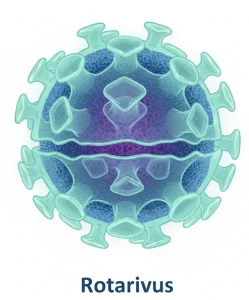
Rotavirus is a highly contagious virus that is a leading cause of severe diarrhea in infants and young children worldwide. The infection primarily affects the gastrointestinal tract and can lead to dehydration if not managed properly. Rotavirus illness is most common in children under five years of age, although adults can also become infected, usually with milder symptoms. Vaccination has significantly reduced the incidence and severity of rotavirus infections.
Symptoms of Rotavirus
Symptoms usually begin one to three days after exposure and can range from mild to severe.
-
Watery diarrhea lasting several days
-
Vomiting
-
Fever
-
Abdominal pain or cramping
-
Loss of appetite
-
Signs of dehydration such as dry mouth, reduced urination, and lethargy
Causes of Rotavirus
Rotavirus infection occurs when the virus enters the body through the mouth and infects the lining of the intestines.
Key points include:
-
Spread through the fecal-oral route
-
Transmission via contaminated hands, surfaces, food, or water
-
High resistance of the virus to common disinfectants
The virus damages intestinal cells, leading to diarrhea and fluid loss.
Risk Factors for Rotavirus
Certain factors increase the risk of rotavirus infection.
-
Age under 5 years
-
Lack of rotavirus vaccination
-
Exposure in daycare or crowded living environments
-
Poor hygiene practices
-
Weakened immune system
Complications of Rotavirus
Rotavirus can cause serious complications, especially in infants and young children.
-
Severe dehydration
-
Electrolyte imbalance
-
Hospitalization due to fluid loss
-
Rarely, death if dehydration is not treated promptly
Early recognition and proper fluid replacement reduce the risk of complications.
Prevention of Rotavirus
Rotavirus infection is largely preventable through vaccination and hygiene measures.
-
Routine rotavirus vaccination in infancy
-
Frequent handwashing, especially after diaper changes
-
Proper sanitation and clean drinking water
-
Disinfection of frequently touched surfaces
-
Prompt medical care for signs of dehydration
Vaccination remains the most effective way to prevent severe rotavirus illness and its complications.
Advertisement
