
Overview
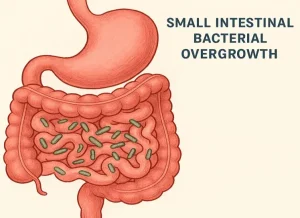
Small intestinal bacterial overgrowth is a digestive condition in which excessive amounts of bacteria grow in the small intestine. Normally, the small intestine contains relatively few bacteria compared to the large intestine. When bacterial balance is disrupted, digestion and nutrient absorption can be impaired. Small intestinal bacterial overgrowth can cause persistent gastrointestinal symptoms and may lead to nutritional deficiencies if not managed properly.
Symptoms
Symptoms can vary in severity and may overlap with other digestive disorders.
-
Bloating and abdominal distension
-
Excessive gas
-
Abdominal pain or discomfort
-
Diarrhea or, less commonly, constipation
-
Nausea
-
Fatigue
-
Unintentional weight loss
-
Signs of nutrient deficiencies such as anemia or bone weakness in long-standing cases
Causes
Small intestinal bacterial overgrowth occurs when conditions allow bacteria to remain and multiply in the small intestine. This may happen due to slowed intestinal movement, structural abnormalities, or reduced stomach acid. Prior intestinal surgery, damage to intestinal nerves, or disorders affecting gut motility can contribute to bacterial buildup.
Risk Factors
Several factors increase the risk of developing small intestinal bacterial overgrowth.
-
Disorders affecting intestinal movement
-
Previous abdominal or intestinal surgery
-
Chronic use of acid-suppressing medications
-
Structural problems in the small intestine
-
Diabetes or other conditions affecting nerve function
-
Older age
Complications
If untreated, small intestinal bacterial overgrowth can lead to significant complications. Poor absorption of nutrients may result in vitamin and mineral deficiencies, weight loss, and malnutrition. Chronic inflammation of the intestinal lining can worsen digestive symptoms and reduce quality of life.
Prevention
Prevention focuses on managing underlying conditions that affect digestion and intestinal movement. Maintaining a balanced diet, addressing chronic digestive symptoms early, and following medical advice for gastrointestinal disorders can help reduce risk. Regular follow-up and appropriate treatment lower the chance of recurrence and long-term complications.
Advertisement
