
Overview
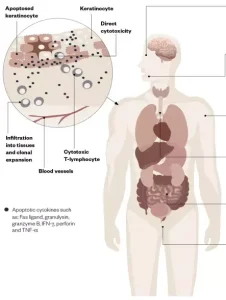
Stevens-Johnson syndrome (SJS) is a rare but serious disorder that affects the skin and mucous membranes. It is usually triggered by a severe reaction to medications or, less commonly, infections. SJS causes the top layer of the skin to die and peel off, leading to painful sores and potential complications. Immediate medical attention is essential, as the condition can be life-threatening if untreated.
Symptoms
Symptoms often develop suddenly and may include:
-
Flu-like symptoms such as fever, fatigue, and sore throat
-
Painful red or purplish rash that spreads and blisters
-
Skin peeling, especially on the face, chest, and limbs
-
Sores in the mouth, eyes, nose, or genital area
-
Eye redness, swelling, or irritation
-
Difficulty swallowing or burning sensation during urination
Early recognition is critical to prevent severe complications.
Causes
Stevens-Johnson syndrome is most commonly caused by an adverse reaction to certain medications, including:
-
Antibiotics such as sulfonamides
-
Anti-seizure medications
-
Nonsteroidal anti-inflammatory drugs (NSAIDs)
Infections, including viral illnesses like herpes or pneumonia, can also trigger SJS. The reaction causes the immune system to attack skin and mucous membranes.
Risk Factors
Factors that increase the risk of SJS include:
-
Recent use of high-risk medications
-
A personal or family history of severe drug reactions
-
Certain genetic factors affecting drug metabolism
-
Immunocompromised states
-
Infections that trigger an immune response
Not everyone exposed to these factors will develop SJS, but risk is significantly higher in susceptible individuals.
Complications
Stevens-Johnson syndrome can lead to serious complications, including:
-
Secondary infections due to open skin lesions
-
Eye damage, including conjunctivitis, corneal ulcers, or blindness
-
Dehydration and electrolyte imbalance
-
Organ damage in severe cases
-
Scarring and long-term skin discoloration
Prompt treatment in a hospital setting reduces the risk of life-threatening outcomes.
Prevention
While SJS cannot always be prevented, steps can reduce the risk:
-
Avoiding medications known to trigger reactions if you are susceptible
-
Informing healthcare providers about any history of drug allergies
-
Monitoring for early signs after starting a new medication
-
Seeking immediate medical care if skin rash or mucous membrane lesions appear
Early detection and stopping the triggering medication are crucial for limiting the severity of the condition.
Advertisement
