
Overview
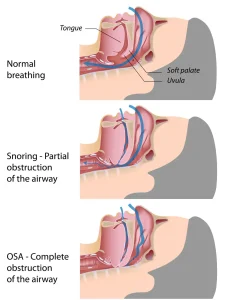
Snoring is the sound produced when airflow through the nose and throat is partially blocked during sleep. It occurs when relaxed tissues vibrate as air passes through narrowed airways. Snoring is common and can affect people of all ages. While occasional snoring is usually harmless, frequent or loud snoring may disturb sleep quality and sometimes indicate an underlying sleep-related condition.
Symptoms
Snoring is often noticed by a bed partner rather than the person who snores.
-
Loud or harsh breathing sounds during sleep
-
Snoring that is worse when sleeping on the back
-
Dry mouth or sore throat upon waking
-
Restless or unrefreshing sleep
-
Daytime sleepiness or fatigue in some cases
If snoring is accompanied by breathing pauses or gasping, further evaluation may be needed.
Causes
Snoring occurs when airflow is restricted during sleep. This can happen due to relaxation of throat muscles, nasal congestion, or structural features that narrow the airway. Alcohol use before bedtime, sleeping position, and temporary illnesses such as colds can increase airway obstruction and lead to snoring.
Risk Factors
Several factors increase the likelihood of snoring.
-
Overweight or obesity
-
Nasal congestion from allergies or infections
-
Smoking
-
Alcohol consumption, especially before sleep
-
Sleeping on the back
-
Male sex
-
Family history of snoring or sleep-related breathing disorders
Complications
Although snoring itself is often not serious, chronic snoring can disrupt sleep for both the individual and others nearby. Poor sleep quality may lead to daytime fatigue, irritability, and reduced concentration. In some cases, snoring may be a sign of an underlying breathing disorder during sleep, which can increase the risk of heart and metabolic problems if left unaddressed.
Prevention
Prevention focuses on reducing airway blockage during sleep. Maintaining a healthy weight, avoiding alcohol close to bedtime, and quitting smoking can help reduce snoring. Sleeping on the side instead of the back may improve airflow. Managing nasal congestion and maintaining regular sleep habits also support quieter, more restful sleep. Seeking medical advice is recommended if snoring is loud, persistent, or associated with daytime sleepiness.
Advertisement
