
Overview
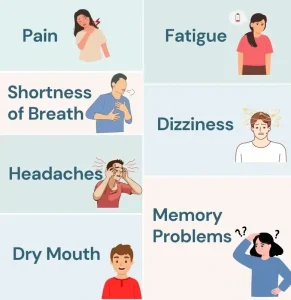
Somatic symptom disorder is a mental health condition in which a person experiences excessive and persistent concern about physical symptoms. These symptoms may or may not have a clear medical explanation, but the distress and preoccupation with them are disproportionate to any underlying condition. The disorder can significantly interfere with daily life, relationships, and emotional well-being. Symptoms are real and not intentionally produced, and the suffering experienced is genuine.
Symptoms
Symptoms focus on both physical complaints and the thoughts, feelings, and behaviors related to them.
-
One or more physical symptoms such as pain, fatigue, or gastrointestinal discomfort
-
Excessive worry about the seriousness of symptoms
-
High levels of health-related anxiety
-
Frequent checking of the body for signs of illness
-
Repeated medical visits or tests with little reassurance
-
Difficulty functioning at work, school, or in social settings
Symptoms tend to be chronic and may shift over time.
Causes
The exact cause of somatic symptom disorder is not fully understood. It is believed to result from a combination of biological, psychological, and social factors. Heightened sensitivity to bodily sensations, difficulty coping with stress, and past experiences with illness may contribute. Emotional distress may be expressed through physical symptoms when psychological stress is hard to recognize or communicate.
Risk Factors
Several factors increase the risk of developing somatic symptom disorder.
-
History of anxiety or depression
-
High levels of stress or trauma
-
Childhood experiences of illness or neglect
-
Family history of mental health conditions
-
Personality traits such as negative emotionality
-
Lower stress tolerance
Complications
If untreated, somatic symptom disorder can lead to significant impairment. Individuals may undergo unnecessary medical tests or procedures and experience frustration from ongoing symptoms. The condition can contribute to social isolation, reduced work performance, and strained relationships. It is also commonly associated with depression, anxiety disorders, and reduced quality of life.
Prevention
There is no guaranteed way to prevent somatic symptom disorder, but early recognition and support can reduce its impact. Learning healthy ways to manage stress, addressing emotional difficulties promptly, and maintaining regular follow-up with a trusted healthcare provider can help. A consistent care approach that addresses both physical and emotional health supports better long-term outcomes.
Request an appointment
Advertisement
