
Overview
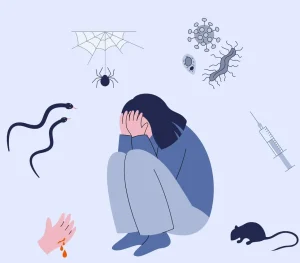
Specific phobias are a type of anxiety disorder characterized by an intense, irrational fear of a particular object, situation, or activity. The fear is out of proportion to the actual danger and leads to significant distress or avoidance. Common examples include fear of heights, animals, flying, injections, or enclosed spaces. Specific phobias often begin in childhood or adolescence and may persist into adulthood if not addressed.
Symptoms
Symptoms occur when a person is exposed to the feared object or situation, or even when anticipating it.
-
Intense fear or anxiety
-
Immediate panic response upon exposure
-
Rapid heartbeat, sweating, trembling, or shortness of breath
-
Nausea, dizziness, or chest discomfort
-
Strong urge to escape or avoid the situation
-
Awareness that the fear is excessive, yet difficulty controlling it
The fear can interfere with daily activities, work, or social life.
Causes
Specific phobias develop due to a combination of factors. Traumatic or negative experiences related to the feared object or situation can play a major role. Learned behaviors from observing others, especially during childhood, may also contribute. Genetic factors and differences in brain areas involved in fear processing may increase susceptibility.
Risk Factors
Several factors increase the likelihood of developing specific phobias.
-
Childhood traumatic experiences
-
Family history of anxiety disorders or phobias
-
Anxious or sensitive temperament
-
Overprotective or fearful environments during upbringing
-
Early exposure to stressful or frightening situations
Complications
If left untreated, specific phobias can significantly limit a person’s life. Avoidance behaviors may restrict career choices, travel, medical care, or social activities. Persistent anxiety can contribute to other mental health conditions, such as generalized anxiety disorder, panic disorder, or depression, and can reduce overall quality of life.
Prevention
There is no guaranteed way to prevent specific phobias, but early support can reduce their impact. Helping children cope with fears in a supportive manner and avoiding reinforcement of avoidance behaviors may help. Seeking professional help when fear interferes with daily functioning allows early intervention and better long-term outcomes.
Advertisement
