
Overview
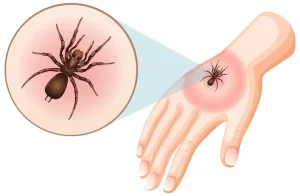
Spider bites occur when a spider injects venom into the skin while biting, usually as a defensive reaction. Most spider bites are harmless and cause mild symptoms similar to insect bites. However, a small number of spider species can cause more serious reactions. The severity of symptoms depends on the type of spider, the amount of venom injected, and the individual’s sensitivity.
Symptoms
Symptoms of spider bites vary widely and may appear within minutes to hours after the bite.
-
Redness, swelling, or itching at the bite site
-
Mild to moderate pain or burning sensation
-
A small blister or puncture marks
-
Muscle pain or cramps in some cases
-
Headache, nausea, or sweating
-
Fever or chills in rare cases
Severe symptoms such as intense pain, spreading redness, or systemic illness require medical attention.
Causes
Spider bites occur when a spider feels threatened and bites the skin. Most spiders do not bite humans unless disturbed. Venom injected during the bite can cause local tissue irritation or affect the nervous system or muscles in more serious cases. Bites often happen when spiders are trapped in clothing, bedding, shoes, or stored items.
Risk Factors
Certain factors increase the likelihood of spider bites.
-
Living in or visiting areas where spiders are common
-
Leaving clothing, shoes, or bedding undisturbed for long periods
-
Working in basements, sheds, gardens, or storage areas
-
Outdoor activities such as camping or hiking
-
Poor pest control or cluttered living spaces
Complications
Most spider bites heal without complications. However, some bites can lead to skin infections if scratched excessively. Rarely, severe venom reactions can cause muscle spasms, tissue damage, or systemic symptoms requiring hospitalization. Allergic reactions, though uncommon, can also occur and may be serious.
Prevention
Prevention focuses on reducing contact with spiders. Keeping living areas clean and uncluttered helps limit hiding places. Shaking out clothing, shoes, and bedding before use reduces the risk of bites. Wearing gloves and protective clothing during outdoor or storage-related activities is helpful. Prompt cleaning and care of bite sites reduce the risk of infection and complications.
Request an appointment
Advertisement
