
Overview
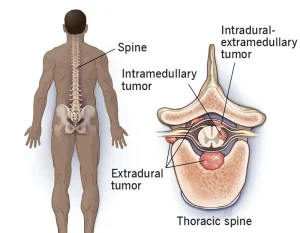
A spinal cord tumor is an abnormal growth of cells that develops within or around the spinal cord or spinal canal. These tumors can be noncancerous or cancerous and may originate in the spinal cord itself or spread from other parts of the body. Depending on their size, location, and growth rate, spinal cord tumors can interfere with nerve signals, leading to pain, weakness, or loss of function. Early recognition and appropriate treatment are important to prevent permanent neurological damage.
Symptoms
Symptoms vary based on the tumor’s location, size, and whether it compresses the spinal cord or nearby nerves. Common symptoms include:
-
Persistent back or neck pain that may worsen at night
-
Pain that radiates to the arms, legs, or chest
-
Muscle weakness or difficulty walking
-
Numbness, tingling, or loss of sensation
-
Problems with balance or coordination
-
Changes in bowel or bladder control
Symptoms often develop gradually but can worsen over time as pressure on the spinal cord increases.
Causes
The exact cause of most spinal cord tumors is unknown. They occur due to abnormal cell growth within spinal tissues. Some tumors originate from nerve cells, supporting cells, or the membranes covering the spinal cord, while others result from cancer spreading from another part of the body. In many cases, no clear triggering factor can be identified.
Risk Factors
Several factors may increase the likelihood of developing a spinal cord tumor:
-
Certain inherited genetic conditions affecting the nervous system
-
A history of cancer elsewhere in the body
-
Prior exposure to radiation therapy involving the spine
-
Increasing age, depending on tumor type
Having one or more risk factors does not guarantee the development of a spinal cord tumor.
Complications
If left untreated, spinal cord tumors can lead to serious complications due to ongoing compression or damage to spinal nerves, such as:
-
Permanent nerve damage
-
Chronic pain
-
Partial or complete paralysis
-
Loss of bowel or bladder control
-
Reduced mobility and independence
Early diagnosis and management help reduce the risk of long-term complications.
Prevention
There is no sure way to prevent spinal cord tumors, as many causes are not well understood. However, general preventive measures include:
-
Managing known cancers effectively to reduce the risk of spread to the spine
-
Regular medical follow-up for individuals with genetic conditions linked to nervous system tumors
-
Seeking prompt medical evaluation for persistent back pain or neurological symptoms
Early detection and timely treatment play a key role in improving outcomes and preserving neurological function.
Advertisement
