
Overview
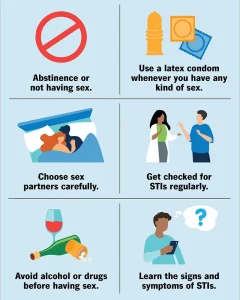
Sexually transmitted diseases are infections that are primarily spread through sexual contact, including vaginal, anal, and oral sex. They are caused by bacteria, viruses, or parasites and can affect anyone who is sexually active. Some sexually transmitted diseases cause noticeable symptoms, while others may remain silent for long periods, increasing the risk of complications and further transmission. Early testing, diagnosis, and treatment are important for protecting individual and public health.
Symptoms
Symptoms of sexually transmitted diseases vary depending on the type of infection, and some people may have no symptoms at all. When present, symptoms may include:
-
Unusual discharge from the vagina, penis, or anus
-
Pain or burning during urination
-
Sores, blisters, warts, or rashes on or around the genitals, mouth, or anus
-
Itching, irritation, or swelling in the genital area
-
Lower abdominal pain or pain during sexual intercourse
-
Fever or swollen lymph nodes in some infections
Causes
Sexually transmitted diseases are caused by different organisms. Bacterial infections include conditions such as chlamydia, gonorrhea, and syphilis. Viral causes include infections like human immunodeficiency virus, genital herpes, and human papillomavirus. Parasitic infections, such as trichomoniasis, can also be transmitted through sexual contact. These infections spread through contact with infected bodily fluids or skin-to-skin contact during sexual activity.
Risk Factors
Certain behaviors and conditions increase the risk of acquiring sexually transmitted diseases.
-
Having multiple sexual partners
-
Unprotected sex without condoms or barriers
-
A history of previous sexually transmitted infections
-
Sexual contact at a young age
-
Substance use that impairs judgment
-
Limited access to regular sexual health screening
Complications
If left untreated, sexually transmitted diseases can lead to serious health problems. Possible complications include infertility, chronic pelvic pain, pregnancy complications, and increased risk of acquiring or transmitting other infections. Some viral infections can cause long-term health issues, such as liver disease or certain cancers. Untreated infections can also be passed to sexual partners or from mother to child during pregnancy or childbirth.
Prevention
Prevention focuses on reducing exposure and early detection. Consistent and correct use of condoms significantly lowers the risk of transmission. Regular screening is important, especially for people with multiple partners or new sexual partners. Limiting the number of sexual partners, maintaining open communication about sexual health, and seeking prompt medical care for symptoms all help reduce the spread of sexually transmitted diseases. Vaccination, where available, also plays an important role in prevention.
Request an appointment
Advertisement
