
Overview
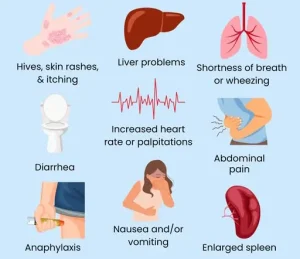
Systemic mastocytosis is a rare disorder in which too many mast cells accumulate in different organs of the body. Mast cells are a type of immune cell that normally help protect the body by releasing chemicals involved in allergic and inflammatory responses. In systemic mastocytosis, these cells build up in tissues such as the bone marrow, skin, liver, spleen, and digestive tract.
The excessive number of mast cells can release large amounts of chemical substances, including histamine, which may lead to a variety of symptoms affecting multiple organs. The severity of the condition varies widely. Some people experience mild symptoms, while others may develop more serious complications affecting organ function.
Systemic mastocytosis can occur in both adults and children, but the systemic form is more commonly diagnosed in adults.
Symptoms
Symptoms occur when mast cells release chemicals that affect different parts of the body. The type and severity of symptoms may vary from person to person.
Common symptoms include:
-
Skin rashes or brownish spots on the skin
-
Flushing or redness of the face and body
-
Itching of the skin
-
Abdominal pain
-
Nausea, vomiting, or diarrhea
-
Fatigue or weakness
-
Headaches or dizziness
Some people may also experience episodes of severe allergic reactions, including low blood pressure or fainting.
Causes
Systemic mastocytosis is usually caused by genetic changes that lead to abnormal growth and accumulation of mast cells in the body.
Possible causes include:
-
Mutations in genes that control mast cell growth and survival
-
Abnormal signaling that causes mast cells to multiply excessively
-
Genetic changes occurring during a person’s lifetime rather than being inherited
These mutations cause mast cells to accumulate in tissues and release excessive inflammatory chemicals.
Risk Factors
Because systemic mastocytosis is rare, the known risk factors are limited.
Possible risk factors include:
-
Certain genetic mutations affecting mast cell development
-
Family history of mast cell disorders, although most cases are not inherited
-
Adult age, as systemic forms are more often diagnosed in adults
Environmental or lifestyle factors are not strongly associated with the condition.
Complications
If mast cells accumulate in large numbers or release excessive chemicals, systemic mastocytosis can lead to serious complications.
Possible complications include:
-
Severe allergic reactions or anaphylaxis
-
Damage to organs such as the liver, spleen, or bone marrow
-
Bone thinning or fractures
-
Digestive system problems such as ulcers
-
Blood disorders in advanced cases
The severity of complications depends on the type and progression of the disease.
Prevention
There is currently no known way to prevent systemic mastocytosis because it is primarily caused by genetic mutations that occur within cells.
However, people diagnosed with the condition may reduce symptom triggers and complications by following medical advice.
Helpful preventive steps include:
-
Avoiding known triggers that cause mast cell activation, such as certain foods, medications, or temperature changes
-
Taking prescribed medications to control symptoms
-
Carrying emergency medication if at risk of severe allergic reactions
-
Attending regular medical checkups to monitor the condition
Proper medical management can help control symptoms and improve quality of life for individuals with systemic mastocytosis.
Request an appointment
Advertisement
