
Overview
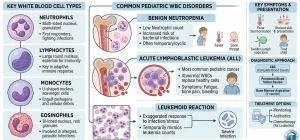
Diagnosis
Diagnosis of pediatric white blood cell disorders begins with a detailed medical history and physical exam. Blood tests are essential for identifying these conditions. Depending on the suspected cause, your healthcare professional may order additional tests to confirm the diagnosis and assess overall health.
Treatment
Treatment for pediatric white blood cell disorders depends on the type of disorder and its underlying cause.
• Infections may be treated with antibiotics, antiviral medicines, or antifungal medications
• Other treatments are tailored to correct abnormal white blood cell counts or manage associated symptoms
Preparing for your appointment
Before your appointment, gather information that will help your healthcare professional provide an accurate diagnosis:
• A list of your child’s symptoms, including when they started and any that seem unrelated
• Key personal and family medical history, including recent stresses or life changes
• All medications, vitamins, or supplements your child takes, with dosages
• Questions for your child’s healthcare professional, such as:
-
What is the likely cause of my child’s symptoms?
-
What are other possible causes?
-
What tests are needed?
-
Is this condition temporary or long-term?
-
What is the best course of action?
-
Are there restrictions my child needs to follow?
-
Should I see a specialist?
-
Are there brochures or websites you recommend?
What to expect from your doctor
During the appointment, your child’s healthcare professional may ask:
• Whether symptoms are constant or come and go
• The severity of the symptoms
• Factors that make symptoms better or worse
This information helps guide diagnosis and treatment planning for pediatric white blood cell disorders.
Advertisement
