
Overview
Diagnosis
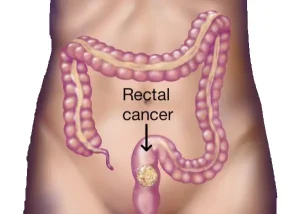
Rectal cancer diagnosis often begins with a colonoscopy to examine the rectum and colon. During this test, a long, flexible tube with a camera is passed into the rectum. If anything suspicious is seen, a tissue sample may be removed for lab testing. Rectal cancer can also be detected through routine colorectal cancer screening or when symptoms suggest the need for further evaluation.
A colonoscopy allows healthcare professionals to view the lining of the colon and rectum, looking for signs of cancer. Sedation is typically provided to keep you comfortable throughout the procedure.
A biopsy is the next step when an abnormal area is seen. Special tools are used to remove a small sample of tissue from the rectum. This sample is analyzed in a laboratory to determine whether cancer cells are present. Additional specialized tests on the biopsy provide more details about the cancer cells and help guide treatment planning.
If rectal cancer is confirmed, staging tests are performed to understand how far the cancer has spread. These tests help determine whether the cancer is only in the rectum or has moved to nearby tissues or organs.
Staging tests may include:
• Complete blood count to check for anemia or signs of infection
• Blood tests to evaluate organ function, especially the liver and kidneys
• Carcinoembryonic antigen testing to measure tumor markers that may be elevated in colorectal cancer
• CT scans of the chest, abdomen, and pelvis to look for cancer spread
• MRI of the pelvis to examine rectal tissues, lymph nodes, and surrounding structures in detail
• Surgery in some cases to confirm the cancer’s stage after other treatments
These results help your healthcare team design the most effective treatment plan for your specific condition.
Treatment
Rectal cancer is often highly treatable, especially when detected early. Even cancers that have spread can sometimes be cured with a carefully planned treatment approach. Treatment may start with surgery, but for larger or more advanced cancers, medication and radiation might be used first.
Your treatment plan is personalized based on factors such as your overall health, the stage of your cancer, and your preferences. A combination of therapies may be used to achieve the best outcome.
Surgery is a central treatment for rectal cancer. The type of surgery depends on the size and location of the cancer. Small cancers may be removed through minimally invasive procedures using scopes inserted through the anus. This method removes the cancer along with a margin of healthy tissue.
Larger cancers may require removal of part or all of the rectum. A low anterior resection removes the affected section of the rectum and nearby lymph nodes. The colon is then reconnected to the remaining rectum or directly to the anus, depending on how much tissue is removed. When the cancer is very close to the anus, removing the rectum and anus may be necessary. In this situation, a colostomy is created so waste exits through an opening in the abdomen.
Chemotherapy uses strong medications to shrink cancer, destroy remaining cancer cells after surgery, or slow the growth of cancer that has spread. It is often combined with radiation therapy before surgery to make the cancer easier to remove.
Radiation therapy uses targeted energy beams to destroy cancer cells. It is commonly used along with chemotherapy. When surgery is not possible, radiation may be used to help relieve symptoms such as bleeding or pain.
Combined chemotherapy and radiation can increase the effectiveness of treatment. This approach may be used alone or before surgery to shrink the cancer. Since the combination increases the risk of side effects, your healthcare team monitors you closely.
Targeted therapy uses medications that act on specific substances within cancer cells. Testing cancer tissue can determine whether targeted therapy may be helpful in your case. These treatments are often used for advanced or recurrent cancers.
Immunotherapy works by helping the immune system recognize and destroy cancer cells. This treatment is suitable for specific types of rectal cancer identified through lab testing. It may be used before surgery, after surgery, or for cancer that has spread.
Palliative care is an important part of rectal cancer management. This specialized care focuses on relieving symptoms and improving quality of life. Palliative care teams work alongside your cancer treatment team to provide additional support. Studies show that people receiving palliative care alongside cancer treatment often feel better and may even live longer.
Advertisement
