
Overview
Diagnosis
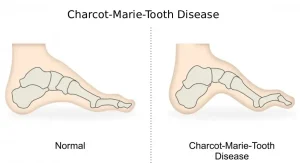
To diagnose Charcot-Marie-Tooth disease, a healthcare professional will review your medical history and perform a physical examination to look for common symptoms such as muscle weakness, loss of sensation, or foot deformities.
The following tests can help determine the cause and extent of nerve damage:
-
Nerve conduction studies: Measure the strength and speed of electrical signals through the nerves. Electrodes placed on the skin deliver mild electrical pulses. Delayed or weak responses may indicate nerve damage linked to Charcot-Marie-Tooth disease.
-
Electromyography (EMG): A thin needle electrode is inserted into a muscle to record electrical activity at rest and during movement. This test helps identify which muscles are affected.
-
Nerve biopsy: A small sample of peripheral nerve, often from the lower leg, is removed and tested in a lab to understand the cause and severity of the nerve condition.
-
Genetic testing: A blood sample is analyzed for known gene mutations associated with Charcot-Marie-Tooth disease. This test can confirm the diagnosis, rule out other conditions, and support family planning decisions. Genetic counseling is often recommended before and after testing.
More Information:
Electromyography (EMG)
Genetic testing
Treatment
There is currently no cure for Charcot-Marie-Tooth disease, but the condition usually progresses slowly and does not typically shorten life expectancy. Treatment focuses on managing symptoms, maintaining mobility, and improving quality of life.
Medications
-
Pain due to muscle cramps or nerve damage may be managed with prescribed pain-relief medicines.
Therapy
-
Physical therapy: Helps strengthen and stretch muscles to prevent stiffness and reduce muscle loss. Programs typically include low-impact exercises designed by a trained therapist. Starting therapy early and maintaining consistency can help prevent disability.
-
Occupational therapy: Helps improve hand and arm function, making daily tasks easier. Therapists may recommend adaptive tools such as special grips, button hooks, or clothing with snaps instead of buttons.
-
Orthopedic devices: Braces, splints, or supportive shoes can improve walking and reduce the risk of injury. High-top shoes or custom inserts may provide extra ankle support. Thumb splints can assist with gripping and holding objects.
Surgery
-
Surgery may be performed to correct foot deformities, relieve pain, and improve mobility, though it cannot reverse muscle weakness or loss of sensation.
Potential Future Treatments
Researchers are exploring possible future therapies, including medications, nutritional supplements, and gene therapy. Some experimental approaches aim to prevent transmission of the disease through laboratory-based procedures known as in vitro methods.
Request an appointment
Advertisement
