
Overview
Diagnosis
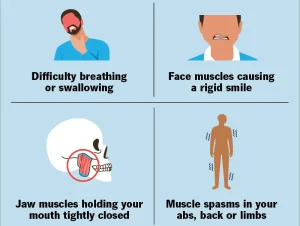
Tetanus is usually diagnosed based on a physical exam, your medical and vaccination history, and the presence of classic signs such as muscle spasms, rigidity and pain. Laboratory tests are generally not required unless your doctor suspects another condition that could be causing similar symptoms.
Treatment
Tetanus requires urgent, intensive care to manage symptoms and support recovery, often in an intensive care unit. Treatment focuses on wound care, maintaining breathing, controlling muscle spasms, targeting the bacteria and its toxin, and boosting the immune response. The acute phase of the disease typically lasts about two weeks, with full recovery taking around a month.
Wound care
Proper wound care is critical. This includes:
• Cleaning the wound to remove dirt, debris or foreign objects that may harbor bacteria.
• Removing dead tissue that could promote bacterial growth.
Medications
Several medications may be used during treatment:
• Antitoxin therapy. Passive immunization with human antibodies targets toxins that have not yet affected nerve tissues.
• Sedatives. These help control muscle spasms by slowing nervous system activity.
• Tetanus vaccination. Administering a standard tetanus vaccine helps the immune system fight the toxin.
• Antibiotics. Given orally or by injection, antibiotics can help eliminate tetanus bacteria.
• Other drugs. Medications such as morphine may be used to regulate involuntary muscle activity, control breathing and provide sedation.
Supportive therapies
Supportive care helps maintain vital functions and reduce triggers for spasms:
• Ensuring a clear airway and providing breathing assistance when needed.
• Providing nutrition through a feeding tube.
• Controlling the care environment to minimize light, sound and other stimuli that could trigger generalized spasms.
Advertisement
