
Overview
Diagnosis
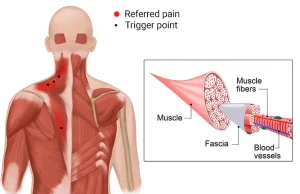
During a physical exam, your healthcare professional may apply gentle pressure to the affected muscles, feeling for tender or painful areas called trigger points. Pressing on these points can sometimes produce responses such as a muscle twitch, which helps identify the source of pain.
Muscle pain can have many causes. Your healthcare professional may use additional tests and procedures to rule out other conditions that could be causing your symptoms.
Treatment
Treatment for myofascial pain syndrome generally focuses on relieving pain, relaxing affected muscles, and improving movement. A combination of medicines, injections, physical therapy, and exercise is often recommended. You may need to try multiple approaches to find the most effective relief.
Medications
Medicines used to manage myofascial pain syndrome include:
Pain relievers. Over-the-counter medications such as ibuprofen and naproxen may reduce pain. Some pain relievers come in creams or patches applied to the skin. Prescription-strength pain medications may be used if needed.
Antidepressants. Certain antidepressants, like amitriptyline, can help relieve pain and improve sleep for some people.
Muscle relaxers. Medicines such as clonazepam and other benzodiazepines may reduce muscle tension, anxiety, and sleep problems associated with myofascial pain syndrome. Side effects can include drowsiness and potential dependence.
Therapy
A physical therapist can create a personalized treatment plan to ease muscle pain. Therapy may include:
Stretching. Gentle stretches help reduce tension and relieve soreness. Numbing sprays may be applied if trigger points are painful.
Massage. Therapists may use long strokes along muscles or apply targeted pressure to relieve tension and reduce pain.
Procedures
In some cases, procedures may be recommended to directly treat trigger points or affected muscles:
Injections. Shots of numbing medication, steroids, or onabotulinumtoxinA (Botox) into trigger points can help reduce pain.
Dry needling and acupuncture. Inserting a needle into the trigger point may help release muscle tension and relieve pain.
Transcutaneous electrical nerve stimulation (TENS). This therapy sends a small electrical current to painful areas through electrodes on the skin. Its effectiveness is still being studied.
Ultrasound. Sound waves increase blood flow and warmth in muscles, which may reduce pain.
Extracorporeal shock wave therapy. Targeted sound waves may help ease pain in muscles affected by myofascial pain syndrome.
Advertisement
