
Overview
Diagnosis
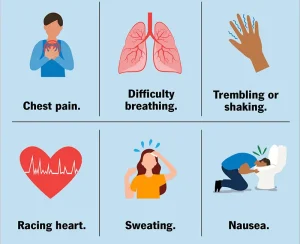
Your primary care provider evaluates whether you are experiencing panic attacks, panic disorder, or another condition such as thyroid or heart issues that can cause similar symptoms. The diagnostic process usually includes a review of your symptoms, overall health, and any factors that may contribute to episodes of panic.
To help confirm a diagnosis, you may have:
-
A complete physical exam
-
Blood tests to evaluate thyroid function and rule out other conditions, along with tests on your heart such as an electrocardiogram
-
A psychological evaluation to discuss symptoms, fears, stressful events, relationship challenges, situations you avoid, and family history
You may also complete a psychological self-assessment or questionnaire. Questions about alcohol or substance use may be included, as these can influence symptoms.
Criteria for diagnosing panic disorder include specific features outlined in the Diagnostic and Statistical Manual of Mental Disorders. These include having frequent and unexpected panic attacks, followed by at least a month of worry about future attacks, concern about their consequences, or changes in behavior such as avoiding places or situations that might trigger symptoms. Panic attacks must not be due to substance use, a medical condition, or another mental health disorder.
People who experience panic attacks but do not meet the criteria for panic disorder can still benefit from treatment. Without treatment, panic attacks may become more severe or progress into panic disorder or phobias.
Treatment
Treatment aims to reduce the frequency and intensity of panic attacks and help improve daily functioning. The primary treatment options include psychotherapy, medications, or a combination of both. Recommendations depend on the severity of symptoms, personal preferences, treatment history, and available specialists trained in managing panic disorders.
Psychotherapy is often considered the first-line approach. Cognitive behavioral therapy helps you understand that the symptoms of panic are not dangerous. A therapist guides you in safely re-creating the sensations of a panic attack in a controlled setting. Over time, this reduces the fear response and helps you manage situations you may have been avoiding. While improvement may begin within a few weeks, significant progress often takes several months. Occasional follow-up sessions may help maintain progress or manage returning symptoms.
Medications can also help reduce panic symptoms and treat associated depression when present. These may include:
-
Selective serotonin reuptake inhibitors, which are commonly recommended as a first choice for treating panic disorder
-
Serotonin and norepinephrine reuptake inhibitors, which are also approved for panic disorder
-
Benzodiazepines, which act as sedatives and may be used short term because they can be habit-forming and may interact with other medications
If one medication does not provide enough relief, a change in prescription or a combination of medications may be recommended. It may take several weeks to see full benefits, and all medications carry potential side effects. Certain options may not be appropriate during pregnancy or in other specific situations, so discussing risks and benefits with your doctor is important.
Advertisement
