
Overview
Diagnosis
There is no single test that can definitively diagnose polycystic ovary syndrome (PCOS). Diagnosis typically begins with a discussion of symptoms, medical history, medications, menstrual cycles, and weight changes. A physical exam may include checking for signs of excess hair growth, acne, or insulin resistance.
Additional diagnostic tools may include:
• Pelvic exam: Evaluates reproductive organs for growths, masses, or other changes.
• Blood tests: Measure hormone levels and screen for other causes of menstrual irregularities or androgen excess. Tests may also include fasting cholesterol, triglycerides, and a glucose tolerance test.
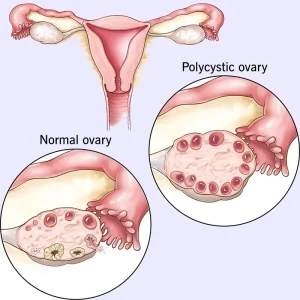
• Ultrasound: A transvaginal ultrasound assesses the appearance of the ovaries and thickness of the uterine lining.
If PCOS is diagnosed, your provider may recommend ongoing testing for complications, such as:
• Regular monitoring of blood pressure, glucose tolerance, cholesterol, and triglyceride levels
• Screening for depression and anxiety
• Screening for obstructive sleep apnea
Treatment
PCOS treatment focuses on managing symptoms that are of concern, such as infertility, excess hair growth, acne, or obesity. Treatment may include lifestyle changes, medications, or procedures.
Lifestyle changes
• Weight loss through a low-calorie diet combined with moderate exercise can improve symptoms, regulate menstrual cycles, enhance fertility, and increase medication effectiveness. Even a 5% reduction in body weight may be beneficial.
Medications to regulate periods
• Combination birth control pills: Contain estrogen and progestin to regulate hormones, reduce androgen production, and lower risk of endometrial cancer.
• Progestin therapy: Taken for 10–14 days every 1–2 months to regulate periods and protect against endometrial cancer. Progestin-only options may also prevent pregnancy.
Medications to induce ovulation
• Clomiphene: Oral anti-estrogen taken early in the menstrual cycle.
• Letrozole: Stimulates ovulation and may be used off-label.
• Metformin: Improves insulin resistance, lowers insulin levels, aids weight loss, and may be combined with clomiphene if ovulation does not occur.
• Gonadotropins: Hormone injections to stimulate ovulation.
Procedures for infertility
• In vitro fertilization may be considered if medications do not lead to successful ovulation and pregnancy.
Managing excess hair growth and acne
• Birth control pills: Reduce androgen-related hair growth and acne.
• Spironolactone: Blocks androgen effects on skin; requires effective birth control during use.
• Eflornithine cream: Slows facial hair growth.
• Hair removal procedures: Electrolysis and laser hair removal provide longer-lasting results; shaving, plucking, or depilatory creams are temporary solutions.
• Acne treatments: Topical creams, gels, or oral medications may improve symptoms.
PCOS management is tailored to individual symptoms and goals, combining lifestyle interventions, medications, and procedures to optimize reproductive and overall health.
Request an appointment
Advertisement
