
Overview
Diagnosis
To diagnose a pinched nerve, your healthcare professional will review your symptoms and conduct a physical exam.
If a pinched nerve is suspected, several tests may be recommended:
• Blood tests to measure fasting blood glucose or thyroid levels.
• Spinal tap (lumbar puncture) to collect cerebrospinal fluid for signs of inflammation or infection.
• X-rays to assess bone positioning and detect narrowing or damage.
• Nerve conduction study to measure electrical impulses in nerves and muscles through electrodes on the skin.
• Electromyography (EMG), where a needle electrode evaluates electrical activity in muscles at rest and during contraction.
• Magnetic resonance imaging (MRI) for detailed views of nerve root compression.
• High-resolution ultrasound to image structures and diagnose nerve compression syndromes like carpal tunnel syndrome.
Treatment
Resting the affected area is the primary treatment. Avoid activities that worsen symptoms. Depending on the location, you may need a splint, collar, or brace. For carpal tunnel syndrome, a wrist splint may be worn during the day and night.
Physical therapy
A physical therapist can guide exercises to strengthen and stretch muscles to relieve nerve pressure and recommend activity modifications to reduce aggravation.
Medications
• Nonsteroidal anti-inflammatory drugs (NSAIDs) such as ibuprofen or naproxen sodium to relieve pain.
• Anti-seizure medications like gabapentin may help nerve-related pain.
• Tricyclic medications such as nortriptyline or amitriptyline.
• Corticosteroids, orally or by injection, to reduce pain and inflammation.
Surgery
If symptoms persist after several weeks to months of conservative treatment, surgery may be required to relieve nerve pressure. The type of surgery depends on the nerve location.
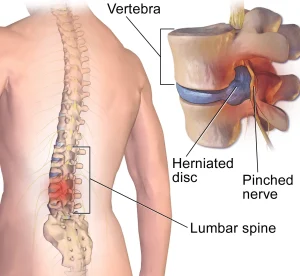
• Spine surgery may involve removing bone spurs or part of a herniated disk.
• Carpal tunnel surgery involves cutting the carpal ligament to allow more space for the nerve.
Advertisement
