
Overview
Diagnosis
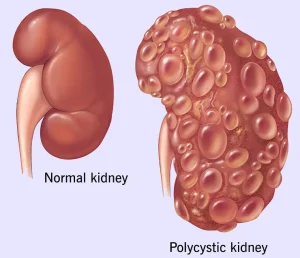
Polycystic kidney disease (PKD) is diagnosed through imaging tests that reveal the size, number, and location of kidney cysts. These tests also help assess how much healthy kidney tissue remains.
Common diagnostic tests include:
• MRI scan: Provides detailed images of the kidneys, liver, and pancreas. It helps measure total kidney volume and assess disease progression.
• Ultrasound: A transducer sends sound waves into the body, which are converted into images of the kidneys.
• CT scan: Uses X-rays to produce detailed cross-sectional images of the kidneys and surrounding tissues.
Early detection is important to monitor kidney function and prevent complications.
Treatment
Treatment for polycystic kidney disease focuses on managing symptoms and slowing disease progression. The severity of PKD varies, even among family members, and some people may never develop end-stage kidney disease.
Managing kidney cyst growth
• Tolvaptan may be prescribed for adults at risk of rapidly progressing ADPKD. It slows cyst growth and preserves kidney function.
• Monitoring for liver side effects and interactions with other medications is important under a nephrologist’s care.
Controlling high blood pressure
• Lifestyle changes such as a low-sodium, low-fat diet, moderate protein intake, regular exercise, and avoiding smoking.
• Medications like ACE inhibitors or ARBs may be used to maintain healthy blood pressure.
Supporting kidney function
• Staying hydrated and maintaining a healthy weight can slow cyst growth and kidney function decline.
• A low-salt diet may improve kidney response to fluid intake.
Pain management
• Over-the-counter medications such as acetaminophen may relieve pain.
• Avoid long-term use of NSAIDs like ibuprofen or naproxen, as they can affect kidney function.
• For severe pain, cyst fluid may be drained with a sclerosing agent or large cysts surgically removed through cyst fenestration.
Infections and blood in urine
• Urinary tract or kidney infections should be treated promptly with antibiotics.
• Drinking plenty of water can help manage blood in the urine and prevent clots.
Kidney failure and advanced care
• Dialysis or kidney transplant may be needed if kidney function fails. Preemptive kidney transplantation can be an option before dialysis is required.
• Regular monitoring is essential to detect complications such as aneurysms, especially with a family history of brain aneurysms. Surgical clipping or blood pressure management may be advised based on aneurysm size.
Managing polycystic kidney disease with regular monitoring, medication, and lifestyle changes can help maintain kidney function and reduce complications over time.
Advertisement
