
Overview
Diagnosis
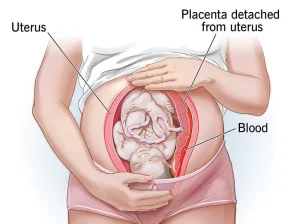
Placental abruption is diagnosed based on symptoms, physical examination, and imaging tests. Your healthcare professional will evaluate for signs such as vaginal bleeding, abdominal pain, and uterine tenderness or contractions.
Imaging tests, such as an ultrasound, may be used to check for a separation of the placenta from the uterine wall. However, ultrasound may not always detect a small or partial abruption, so diagnosis often relies on clinical signs and symptoms.
Your healthcare provider may also monitor:
• Fetal heart rate and movement to assess baby’s well-being
• Maternal blood pressure and heart rate
• Blood tests to check for anemia or clotting problems
Treatment
Treatment of placental abruption depends on the severity of the abruption, the gestational age of the baby, and the health of both mother and baby.
For mild cases with stable maternal and fetal health:
• Close monitoring in a hospital setting
• Bed rest and limited activity
• Frequent fetal monitoring and maternal vital checks
For moderate to severe cases:
• Immediate delivery may be required, often by C-section, especially if the baby is in distress or if there is heavy maternal bleeding
• Blood transfusions may be needed if there is significant blood loss
• Medications to manage blood pressure or help with clotting may be administered
Additional considerations:
• In cases of preterm delivery, medications such as corticosteroids may be given to help the baby’s lungs develop
• Continuous monitoring of both mother and baby is essential until delivery
• Postpartum care includes monitoring for ongoing bleeding or complications
Placental abruption is a serious condition, and prompt medical attention is critical to reduce risks for both mother and baby.
Advertisement
