
Overview
Diagnosis
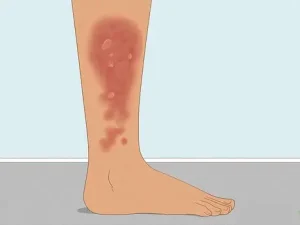
A poison ivy rash is usually diagnosed based on your recent exposure history and the appearance of the skin. A healthcare provider will examine the affected area, noting the typical signs of an allergic reaction to urushiol, the oil found in poison ivy, poison oak, and poison sumac.
Signs that suggest poison ivy include:
• Redness and inflammation
• Itchy, raised bumps or streaks where the plant touched the skin
• Blisters filled with fluid that may break and crust over
In most cases, no additional tests are needed to confirm the diagnosis, as the rash has a characteristic appearance and pattern.
Treatment
Treatment for poison ivy rash focuses on relieving symptoms and preventing infection. Most rashes resolve within 1 to 3 weeks.
Home care and over-the-counter options
• Wash the affected area with soap and cool water as soon as possible after contact to remove urushiol.
• Apply calamine lotion or hydrocortisone cream to reduce itching and inflammation.
• Take oral antihistamines, such as diphenhydramine (Benadryl), to relieve itching, especially at night.
• Use cool compresses to soothe the skin.
Medical treatments
• Prescription corticosteroid creams or oral steroids may be needed for severe or widespread rashes.
• Antibiotics may be prescribed if the rash becomes infected from scratching.
Precautions
• Avoid scratching to reduce the risk of infection and scarring.
• Wash clothing, shoes, and tools that may have come into contact with the plant to prevent re-exposure.
• Keep fingernails short and clean to avoid spreading urushiol to other parts of the body.
Most people recover fully without complications, though severe reactions may require close medical supervision.
Advertisement
