
Overview
Diagnosis
Pseudogout symptoms can resemble those of gout and other types of arthritis, so lab tests and imaging are often needed to confirm a diagnosis.
Blood tests may be performed to check for issues with your thyroid or parathyroid glands and to identify mineral imbalances linked to pseudogout.
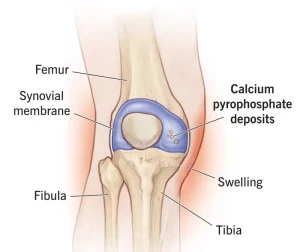
Joint aspiration, also called arthrocentesis, involves using a needle to withdraw fluid from the affected joint. The fluid is then examined for the presence of calcium pyrophosphate crystals, which indicate pseudogout.
X-rays of the affected joint can reveal joint damage and crystal deposits in the cartilage, helping your healthcare provider confirm the diagnosis.
Treatment
There is no cure for pseudogout, but treatments can relieve pain and improve joint function.
Medications may include:
-
Nonsteroidal anti-inflammatory drugs (NSAIDs). Prescription options such as naproxen and indomethacin reduce inflammation and pain but may affect the stomach and kidneys, particularly in older adults.
-
Colchicine. Low-dose colchicine can reduce the frequency of pseudogout attacks and may be taken daily as a preventive measure.
-
Corticosteroids. Pills such as prednisone can reduce inflammation when NSAIDs or colchicine are not suitable. Long-term use may lead to weakened bones, cataracts, diabetes, and weight gain.
Joint drainage can help relieve pain and pressure. A needle is used to remove fluid from the affected joint, which also removes some crystals. The joint may then be injected with a numbing medication and a corticosteroid to reduce inflammation.
Request an appointment
Advertisement
